Why You Crave Sugar After You Quit Drinking (And What to Do About It)
Oct 27, 2026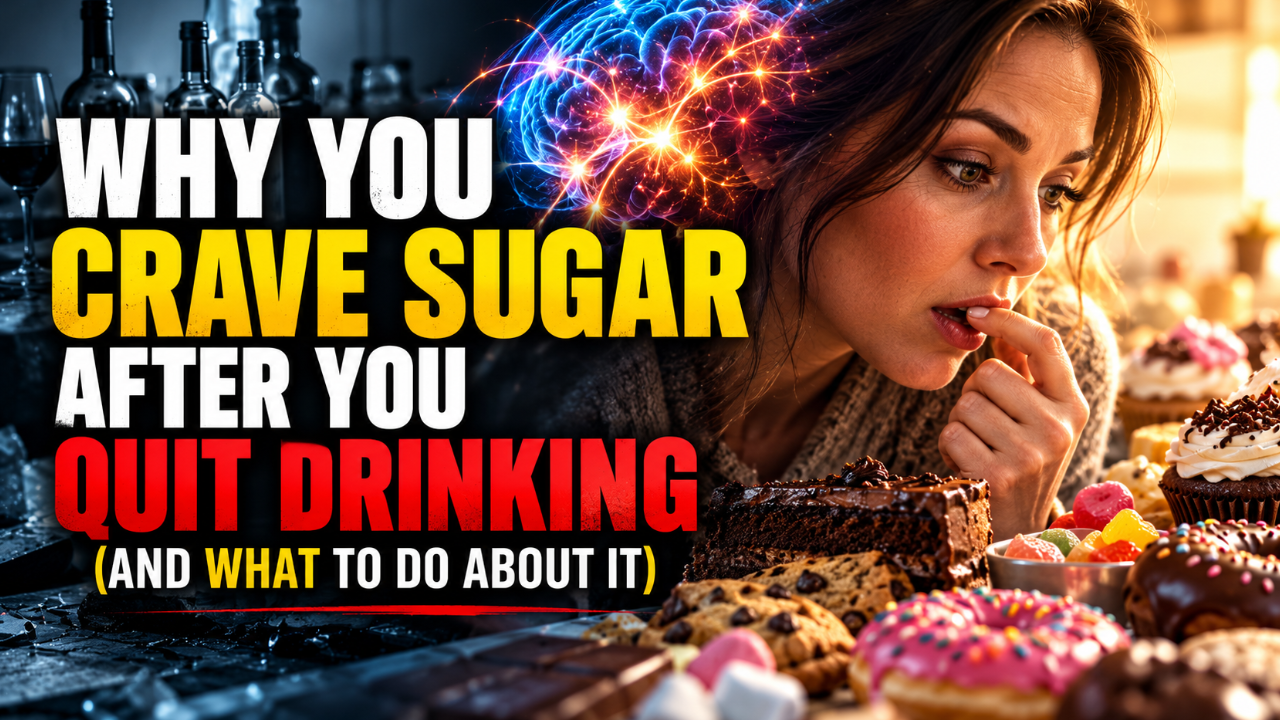
Why You Crave Sugar After You Quit Drinking (And What to Do About It)
You've put the bottle down, you're sleeping better and the mornings feel clearer. Then something odd happens. At nine o'clock at night you find yourself raiding the cupboard for biscuits, chocolate or a sneaky bowl of cereal. With Halloween around the corner and sweets stacked by every supermarket till, the temptation feels everywhere. If you're wondering whether you've swapped one habit for another, relax. This is incredibly common, and it makes perfect sense.
Plenty of people in their first weeks of sobriety notice a sweet tooth they never knew they had. Some feel guilty about it, as though they're failing at being healthy. Others worry the craving means they'll end up heavier than when they drank. Neither fear deserves much airtime. Once you understand what's going on inside your body and brain, the sugar urge stops feeling mysterious and becomes something you can manage calmly.
Here's the short version. Alcohol is packed with sugar and calories, and it plays games with the reward system in your brain. Take it away and your body goes looking for a replacement. Sweet food is the easiest thing it can find. Let's unpack why that happens, why it's usually temporary and how to handle it without beating yourself up or undoing your hard work.
Why Your Brain Goes Looking for Sweets
Every drink you poured gave your brain a little hit of dopamine, the chemical tied to reward and anticipation. Sugar lights up much of the same circuitry. Researchers have known for decades that a strong liking for sweet tastes and heavy drinking tend to travel together, in both animal and human studies. So when the wine stops, your brain notices the reward has vanished and reaches for the nearest substitute on the shelf.
Your blood sugar plays a part too. A night of drinking sends your levels on a rollercoaster, and your liver gets so busy clearing alcohol that it neglects its usual job of keeping glucose steady. Many regular drinkers spend years riding those highs and lows without realising. When you quit, your body is still recalibrating, and a dip in energy late in the afternoon or evening can feel exactly like hunger for something sweet.
Then there's plain old habit. If six o'clock always meant a drink, your brain still expects a treat at six o'clock. The clock strikes, the cue fires and your hand drifts towards the biscuit tin. Nothing about that means you're weak. It means your routines are still catching up with your decision, which is exactly what happens whenever anyone changes a long established pattern.
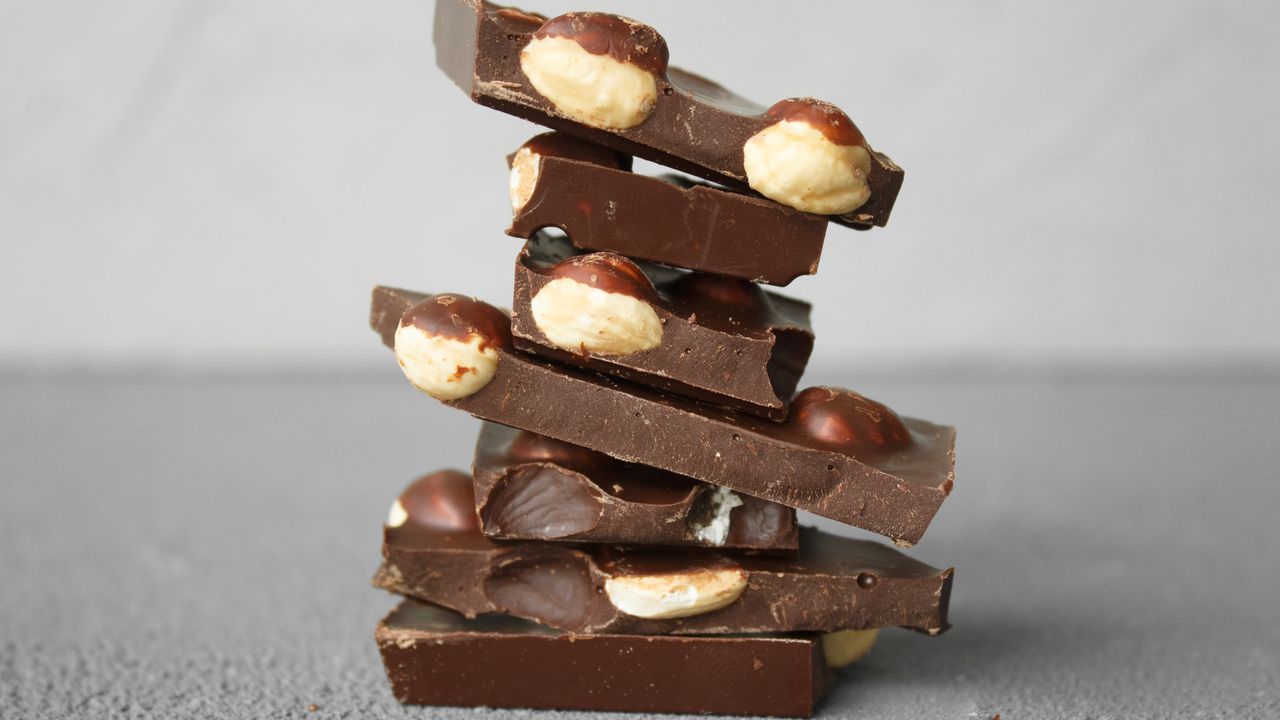
Is Swapping Wine for Chocolate Really So Bad?
Let's keep things in perspective. A bottle of wine can hold around 600 calories, and a few pints of lager easily match that. Even a generous bar of chocolate struggles to compete. Studies of people in early recovery have found that sweet intake often rises after they stop drinking, yet most of them don't end up gaining the dramatic amount of weight they feared. Your body is doing a trade, and it's usually a good one.
That said, you don't want sugar quietly taking the wheel. Big sugar hits can bring their own spikes and crashes, which leave you tired, irritable and hunting for the next fix. Some scientists even argue that bingeing on sugar triggers changes in the brain that look a little like other dependencies. The goal isn't perfection. It's keeping those cravings in their lane while your system settles down.
Try a few simple swaps. Eat regular meals with protein and fibre so your blood sugar stays steadier. Keep fruit, nuts or dark chocolate handy for the evening danger zone. Drink plenty of water, because thirst often disguises itself as hunger. And build a new ritual for that old drinking hour, whether it's a walk, a bath or a mug of herbal tea in your favourite chair.
The Craving Fades When the Belief Fades
The good news is that sugar cravings in early sobriety usually ease as the weeks roll on. Your blood sugar steadies, your sleep improves and your brain learns that evenings can feel rewarding without a glass in hand. Be patient and kind to yourself while that happens. Going a little easy on the chocolate is a far smaller problem than going back to the bottle, so keep your eye on the prize.
Lasting freedom comes from changing how you see alcohol, not from white knuckling your way past every urge. When you stop believing booze gave you comfort, reward or relaxation, the hunt for a substitute loses its power too. If you're ready to make that shift properly, get started with the full Stop Drinking Expert course today. Prefer to read at your own pace? Pick up the book on Amazon and start enjoying life without the sugar coated lies.
References
- Kampov-Polevoy, A. B., Garbutt, J. C. and Janowsky, D. S. (1999). Association between preference for sweets and excessive alcohol intake: a review of animal and human studies. Alcohol and Alcoholism, 34(3), 386–395.
- Krahn, D., Grossman, J., Henk, H., Mussey, M., Crosby, R. and Gosnell, B. (2006). Sweet intake, sweet liking, urges to eat, and weight change: relationship to alcohol dependence and abstinence. Addictive Behaviors, 31(4), 622–631.
- Avena, N. M., Rada, P. and Hoebel, B. G. (2008). Evidence for sugar addiction: behavioral and neurochemical effects of intermittent, excessive sugar intake. Neuroscience and Biobehavioral Reviews, 32(1), 20–39.
⚠️ Medical Disclaimer: This article is for educational purposes only and not a substitute for professional medical advice. Alcohol withdrawal can be dangerous. If you have been drinking heavily, consult a healthcare provider before stopping. If you're experiencing a medical emergency, call emergency services immediately.
Written By