Why Drinking Is Quietly Stalling Your Career
Oct 20, 2026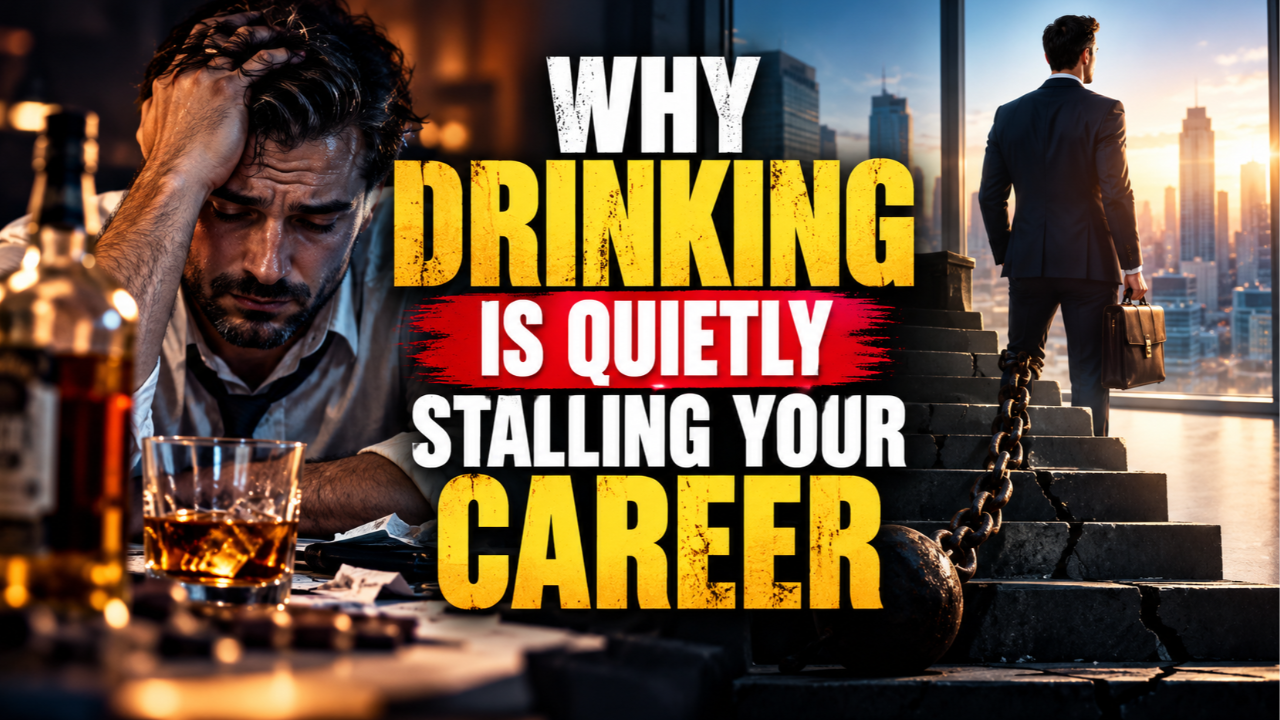
Why Drinking Is Quietly Stalling Your Career
It's the middle of October, and the year is sprinting towards the finish line. Targets need hitting, appraisals are looming, and someone in the office kitchen is already plotting the Christmas party. If you drink most evenings, this is the season when it quietly costs you the most. Not in a dramatic, fired on the spot sort of way. It costs you in slower mornings, foggier meetings and bright ideas that never quite arrive.
Most drinkers believe they've got it handled at work. You turn up on time, you hit most of your deadlines, and nobody has ever smelled booze on your breath. So where's the harm? The harm hides in the gap between the person you are and the person you could be. Researchers have a name for turning up while running on half power. They call it presenteeism, and alcohol is one of its favourite fuels.

A systematic review published in BMJ Open pulled together 26 studies covering more than 92,000 employees across 15 countries. Of the 132 links the researchers tested, 77 percent pointed the same way: the more people drank, the worse their work performance. Hangovers stood out in particular. Many of the better quality findings measured how often people woke up feeling rough, rather than how sociable they'd been the night before. That detail matters.
You might assume a hangover only counts while your head is pounding. The evidence says otherwise. A review in the journal Addiction examined studies where people were tested the day after heavy drinking, once their blood alcohol had dropped close to zero. Sober on paper, they still showed weaker short term memory, poorer long term memory, wobblier attention and slower reaction times. In plain English, the lights were on, but fewer people were home.
The hidden cost of turning up hungover
Think about what that means on an ordinary Tuesday. The figures in that spreadsheet blur. The name of the new client slips out of your head halfway through a handshake. You read the same email three times and still miss the important bit. None of these moments will land you in trouble alone. Stack them up week after week, though, and they harden into a reputation. Colleagues quickly notice who's sharp and who's coasting.
Then there are the days you don't make it in at all. A review in Drug and Alcohol Review found a fairly strong research link between alcohol use and sickness absence, with the clearest evidence for short spells off work. Those vague Monday migraines and mysterious stomach bugs often have a bottle shaped explanation. Each one chips away at the trust your boss places in you, and at the trust you place in yourself.
Promotions rarely go to the person who's merely getting by. They go to the colleague with spare energy, the one who volunteers for the tricky project and remembers every detail from last month's meeting. Alcohol steals exactly that extra gear. You may never see the opportunities you missed, because nobody sends an email saying you were passed over for looking tired. The cost stays invisible, which is why so many talented people keep paying it.
What changes at work when you stop drinking

Here's the cheerful part. When you remove alcohol, your sleep finally gets the chance to do its repair work, and you wake with a clear head every morning. Plenty of people notice the difference within a few weeks. Meetings feel easier. Your memory sharpens. You find the energy to say yes to the project you'd normally dodge. It's a bit like restarting a laptop that's been running fifty tabs for years. Suddenly everything moves faster.
Quitting also rewrites the story you tell about yourself. You stop being the person who survives the working week and become someone who genuinely enjoys it. That shift in identity is where real personal development begins, and it tends to spill into every corner of your life. If that kind of inner growth appeals to you, you'll find plenty of mindset and spiritual guidance at CraigBeck.com to keep you moving forward.
The office party season is coming, and you don't need to white knuckle your way through it. You need to understand why alcohol has such a grip on you in the first place. Join the free quit drinking webinar and grab your free ebook from Stop Drinking Expert. Thousands of professionals have used this method to quit without rehab, labels or endless willpower. Next year's appraisal could be your best yet.
References
- Thørrisen, M. M., Bonsaksen, T., Hashemi, N., Kjeken, I., van Mechelen, W. and Aas, R. W. (2019). Association between alcohol consumption and impaired work performance (presenteeism): a systematic review. BMJ Open, 9(7), e029184. Read the review
- Gunn, C., Mackus, M., Griffin, C., Munafò, M. R. and Adams, S. (2018). A systematic review of the next day effects of heavy alcohol consumption on cognitive performance. Addiction, 113(12), 2182 to 2193. Read the review
- Schou, L. and Moan, I. S. (2016). Alcohol use and sickness absence association and the moderating role of gender and socioeconomic status: a literature review. Drug and Alcohol Review, 35(2), 158 to 169. Read the review
⚠️ Medical Disclaimer: This article is for educational purposes only and not a substitute for professional medical advice. Alcohol withdrawal can be dangerous. If you have been drinking heavily, consult a healthcare provider before stopping. If you're experiencing a medical emergency, call emergency services immediately.
Written By