Why Booze Steals Your Sleep Even When You Nod Off Fine
Oct 17, 2026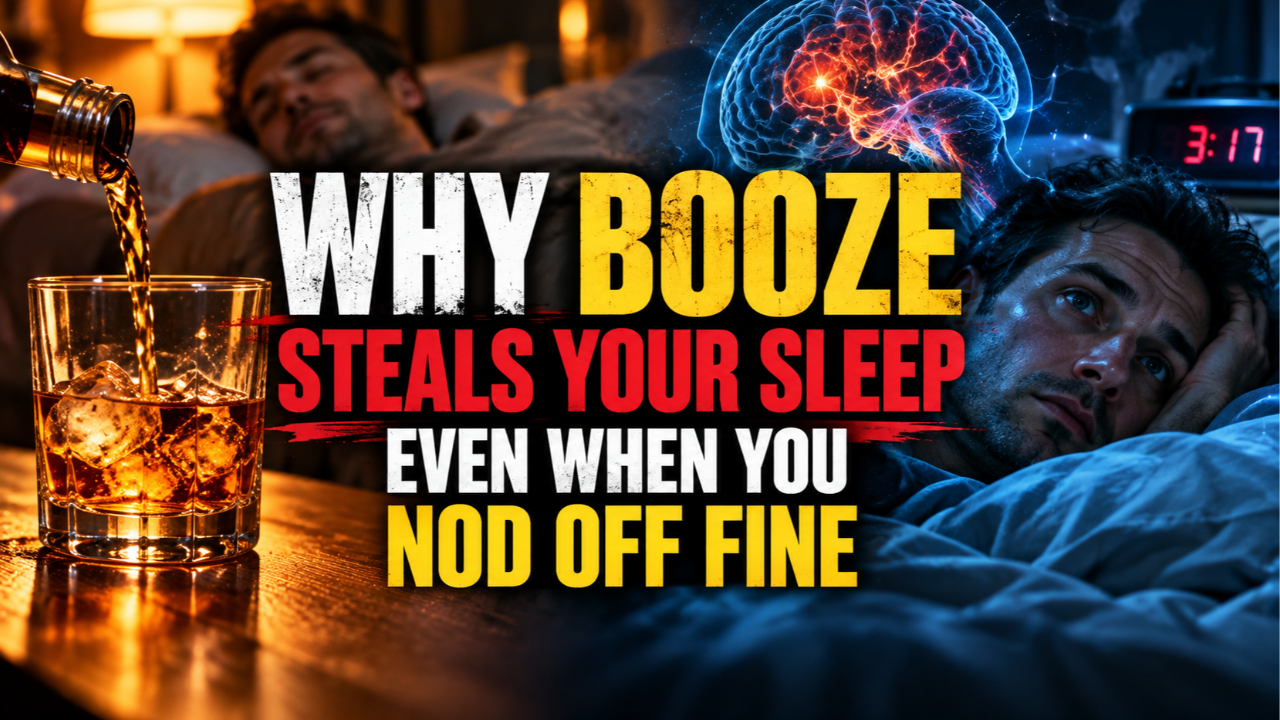
Why Booze Steals Your Sleep Even When You Nod Off Fine
As evenings draw in and nights grow longer, a glass of wine can feel like the answer to a long day. You pour it, you unwind, and you drift off faster than usual. That early nod off tricks you into thinking the nightcap worked. By morning you still feel wiped, foggy, and short of patience. Darker autumn evenings make that tiredness hit harder. Alcohol helps you fall asleep, then quietly ruins the sleep you need most.
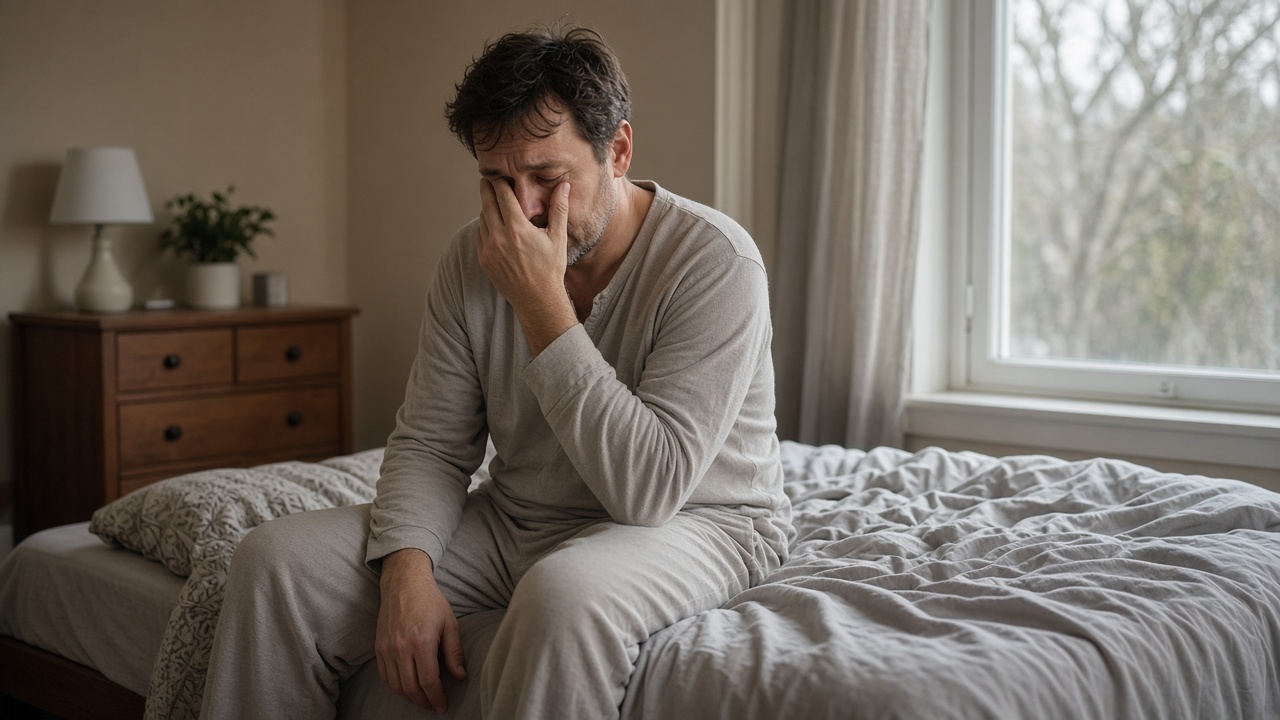
You are not weak for reaching for a drink when you feel worn out. Plenty of people do the same when the clocks go back and energy dips. The problem sits in how alcohol treats your brain once you are under. It sedates you at first, so sleep arrives sooner. Later it blocks the deep restorative stages that leave you feeling human again. That quiet sabotage is why a full eight hours can still leave you drained.
Researchers have mapped this pattern for years. A Monash University review found that alcohol delays the start of REM sleep and shortens how long you stay in it, even after roughly two drinks. REM is the stage linked to memory, mood balance, and that fresh feeling when you wake. Cut it short and you pay for it the next day, no matter how quickly you nodded off the night before.
The second half of the night is where the damage shows. After the sedative effect fades, your sleep grows lighter and more broken. You may not recall every wake up, yet your body keeps getting jolted. Heart rate rises. Breathing shifts. You spend less time in the solid stages that rebuild you. Morning arrives and you feel as if someone stole half your rest while you lay there.
Why the second half of the night feels so rough
NIAAA guidance on alcohol and sleep explains the same split. Early sleep can look calm because alcohol pushes you under. Later sleep fragments as your nervous system rebounds. You toss, turn, and slip into brief arousals you barely notice. That is the nightcap paradox in plain English. Faster sleep onset does not equal better sleep quality, and your Tuesday afternoon will prove it.
Oxford researchers writing in the journal SLEEP tracked consecutive nights of drinking before bed. Night after night, sleep architecture shifted the wrong way. REM kept shrinking. The effect stacked, so a week of helpful nightcaps left people more depleted than a single evening would suggest. Autumn makes this easy to miss because darker days already drain you before the first pour.
So you reach for another drink to fix the fatigue the last drink caused. The loop feels sensible in the moment. You are tired, wine knocks you out, and you call it self care. Under the surface your brain never gets the REM it needs to reset mood and focus. Cravings rise. Patience falls. The pour creeps earlier as the nights keep drawing in around you.
What changes when you stop using alcohol as a sleep aid
Give your brain a stretch without booze and the architecture starts to repair. REM returns closer to a healthy pattern. The second half of the night steadies. You still may feel odd for a short spell while your system recalibrates, yet that fog lifts in a way wine never delivered. Energy in the afternoon improves. Mood holds steadier when the evenings grow dark and the sofa starts calling.
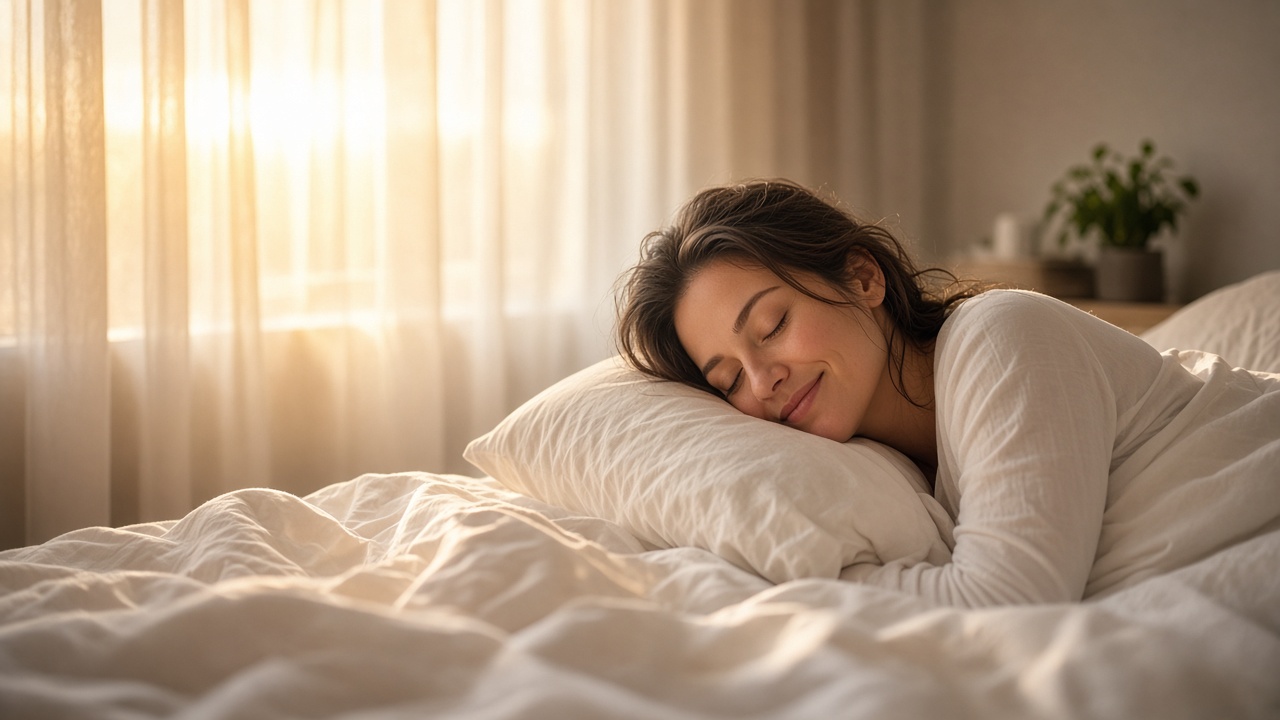
You do not need another lecture about willpower. You need a clear plan and honest company while the habit loosens. Once you see how alcohol fooled you into trading real rest for a fake knockout, saying no gets easier. Join the free quit drinking webinar and grab your free ebook from Stop Drinking Expert. Protect your sleep, wake clearer, and take your nights back this autumn.
References
- Gardiner, C. et al. The effect of alcohol on subsequent sleep in healthy adults: a systematic review and meta analysis. Monash University research portal. Read the study
- National Institute on Alcohol Abuse and Alcoholism. Alcohol Alert No. 41: Alcohol and Sleep (archived). Read the alert
- Harrison, E. et al. Altered sleep architecture following consecutive nights of presleep alcohol. SLEEP, Oxford University Press. Read the study
⚠️ Medical Disclaimer: This article is for educational purposes only and not a substitute for professional medical advice. Alcohol withdrawal can be dangerous. If you have been drinking heavily, consult a healthcare provider before stopping. If you're experiencing a medical emergency, call emergency services immediately.
Written By