Grey Area Drinking: Why You Feel Stuck Without Hitting Rock Bottom
Oct 16, 2026
Grey Area Drinking: Why You Feel Stuck Without Hitting Rock Bottom
 IMGMARK1
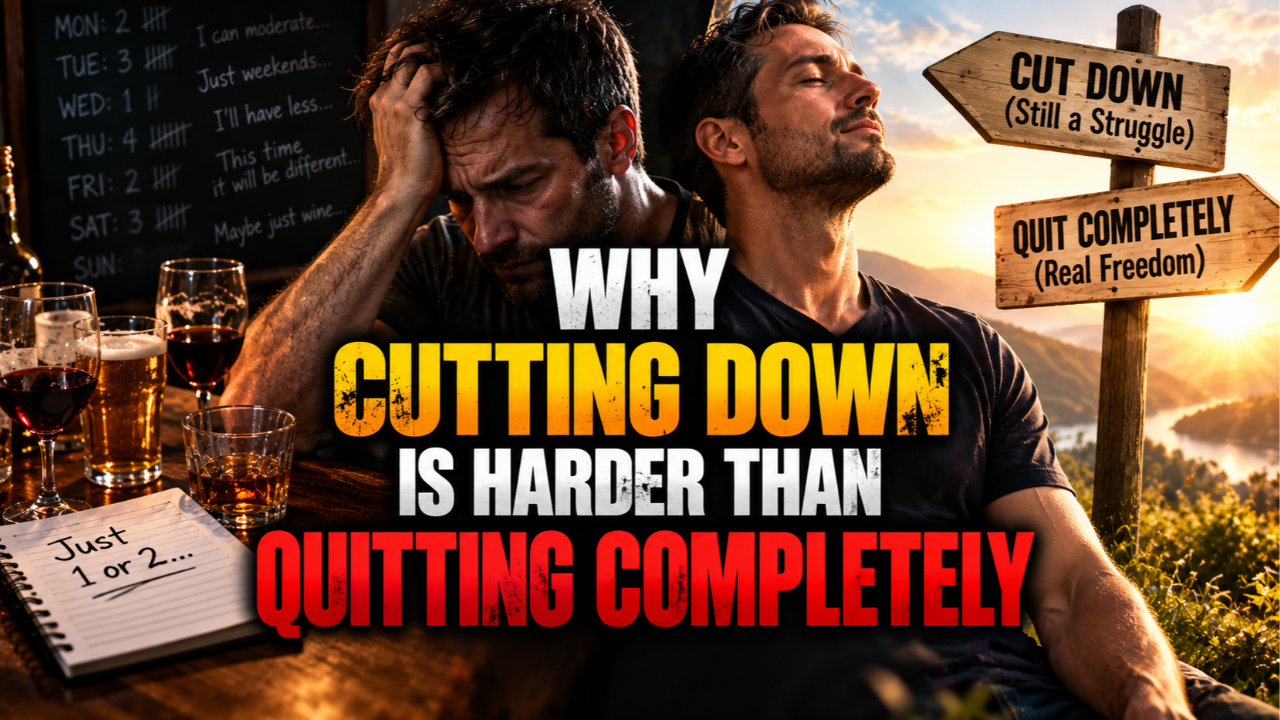
Plenty of people tell themselves they are fine because they do not match the stereotype. You have never lost a job over a drink. You have never woken in a police cell. So the habit keeps a quiet lease on your evenings while you argue about rules, breaks and special occasions. The argument is exhausting. The glass still wins more often than you want when the nights draw in and the sofa calls.
Research has mapped this middle zone for years. A large United States study looked at adults whose drinking sat in the grey area between older moderate guidelines and higher risk levels. Those drinkers showed small but real rises in alcohol dependence risk, interpersonal problems and job loss compared with lighter drinkers. The absolute numbers were modest, yet the group was huge, so the public impact was anything but tiny.
Why the all or nothing story keeps you stuck
Modern science treats alcohol problems as a continuum rather than a simple yes or no stamp. Abuse and dependence criteria mix along one severity line in college and clinical samples alike. Labels help clinics organise care, yet they are not magical walls. You can feel the pull of the habit, break your own rules, and still miss a formal diagnosis. That does not make the cost imaginary. The binary story left you nowhere to stand.
Reviews of unhealthy alcohol use describe the same gap. Many adults exceed low risk guidelines without meeting full alcohol use disorder criteria. They live with worry, broken promises and a sense that something is off. Autumn makes that gap louder. Darker evenings, denser social calendars and comfort rituals stack the cues. You are not weak for noticing. You are awake to a pattern that never needed rock bottom to matter.
So you wait for proof. You wait for a scare, a fight or a morning so rough that denial finally cracks. Waiting is its own trap. Grey area drinking thrives on almost. Almost quitting. Almost cutting back. Almost being the person who can take it or leave it. Almost keeps the bottle in the house and the debate in your head. Clarity arrives when you stop needing a catastrophe to give yourself permission.
What changes when you leave the grey zone behind

Leaving the grey zone is less about white knuckle willpower and more about seeing the habit clearly. Once you understand why you drink, the romance fades and the urge softens. Sleep steadies. Mood flattens into something kinder. Trust with people you love rebuilds as your word matches your actions again. That inner shift sits at the heart of lasting change, and if personal growth sparks curiosity you will find more to explore at CraigBeck.com.
You do not need to earn the right to quit by becoming a cautionary tale. Wanting your evenings back is reason enough this season. Join the free quit drinking webinar and grab your free ebook from Stop Drinking Expert. You will discover a proven method that has helped thousands of people leave the grey zone without rehab, shame or endless bargaining. This autumn, let almost become done.
References
- Dawson, D. A., Smith, S. M., Pickering, R. P. and Grant, B. F. (2012). The gray area of consumption between moderate and risk drinking. Journal of Studies on Alcohol and Drugs, 73(1), 82 to 95. Read the study
- Hagman, B. T. et al. (2011). Toward DSM V: mapping the alcohol use disorder continuum in college students. Drug and Alcohol Dependence. Read the study
- Henderson, A. et al. (2022). Rethinking unhealthy alcohol use in the United States: a structured review. Substance Abuse and Rehabilitation. Read the review
⚠️ Medical Disclaimer: This article is for educational purposes only and not a substitute for professional medical advice. Alcohol withdrawal can be dangerous. If you have been drinking heavily, consult a healthcare provider before stopping. If you're experiencing a medical emergency, call emergency services immediately.
Written By