Why Alcohol Quietly Ruins the Relationship You Care About Most
Oct 18, 2026
Why Alcohol Quietly Ruins the Relationship You Care About Most
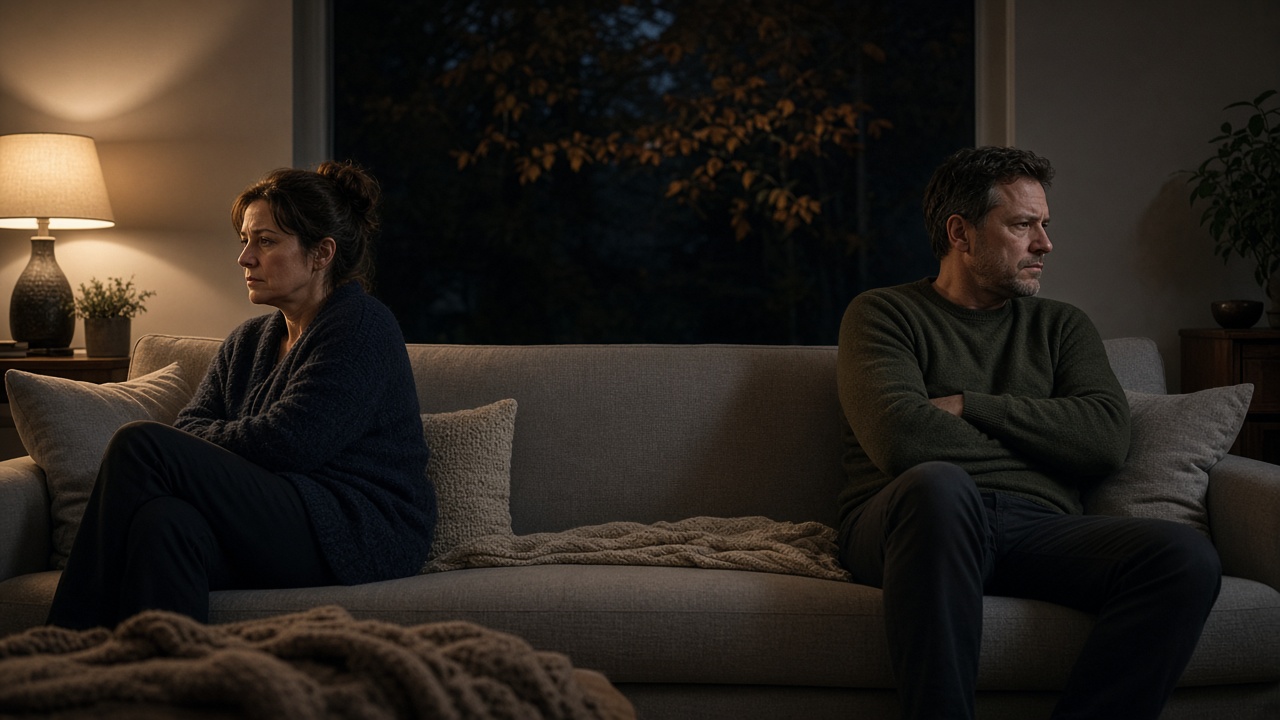
The clocks are about to go back, the curtains close earlier, and suddenly you and your partner are spending long evenings under the same roof. That should feel cosy. Yet if alcohol has a regular seat at the table, those darker nights can turn into something quieter and colder. Nobody shouts. Nobody storms out. You simply drift a little further apart with every glass, and you both pretend not to notice.
Most people picture alcohol wrecking a relationship with smashed plates and slammed doors. The real damage is usually far sneakier. It shows up as the conversation you postponed because you'd had a few, the promise to cut back that melted by Wednesday, and the way your partner watches the bottle instead of your face. Trust rarely collapses in one dramatic night. It erodes, sip by sip, until the gap feels normal.
The research backs up what many couples feel in their bones. A large United States study of more than 43,000 adults found that people with a lifetime alcohol use disorder had seen a marriage end far more often than those without one, roughly 48 percent compared with 30 percent. Among people who were married at the start, a drinking problem in the past year was linked with a much higher chance of separating within about three years.
Why one person drinking can hurt more than two
Here's a twist that surprises plenty of people. A study that followed 634 newlywed couples for nine years found that the biggest danger wasn't heavy drinking on its own. It was mismatched drinking. When one partner drank heavily and the other didn't, close to half of those couples had split by the end of the study. The rest of the couples fared noticeably better, with divorce rates nearer three in ten.
That doesn't mean two heavy drinkers have a healthy bond. It means they've built a shared blind spot. Researchers suggest that when you drink apart from your partner, you often end up living parallel lives: different evenings, different friends, different moods. One of you is present, the other is somewhere behind a haze. Your partner feels lonely while sitting right beside you, and that kind of loneliness stings in a way being alone rarely does.
The connection runs both ways, too. A recent review of the evidence describes a two way street between drinking and how happy couples feel. Unhappiness nudges people toward the bottle, and the bottle then deepens the unhappiness. So you drink to take the edge off the tension, the tension grows because you drink, and round and round it goes. It's a merry go round nobody enjoys riding, yet few people find the nerve to step off.
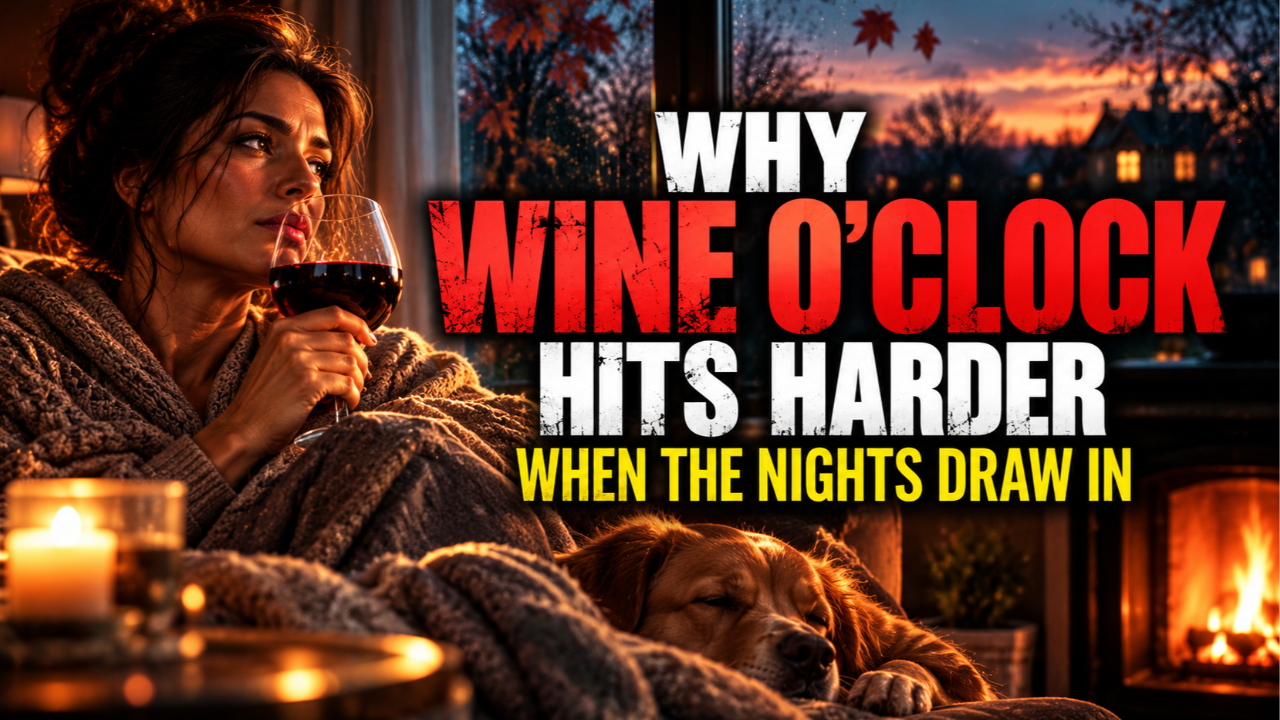
Autumn turns up the volume on all of this. Long dark evenings mean more hours at home together, and fewer distractions to paper over the cracks. The summer barbecues are gone. It's you, your partner, the telly and whatever's chilling in the fridge door. If wine o'clock arrives earlier as the light fades, your partner notices. They may not say a word, but they're keeping score, and that silent tally slowly chips away at trust.
What happens to your relationship when you stop

The good news is that trust can grow back, often sooner than you expect. When you stop drinking, your evenings change shape. You remember the conversations. You keep the small promises, the ones about walking the dog or watching that film together, and your partner slowly starts to believe your words again. Intimacy returns because you're actually there. Many people discover the relationship they thought was broken was only buried under a fog of booze.
Quitting also changes how you see yourself. You stop being the person who needs a drink to unwind and become someone who handles life with a clear head. That identity shift ripples outward into every relationship you have, from your partner to your kids to your oldest friends. If that idea of personal growth and inner change speaks to you, you'll find plenty more to explore at CraigBeck.com.
You don't need gritted teeth and white knuckles to make this happen. You need to understand why alcohol has such a grip in the first place. Join the free quit drinking webinar and download your free ebook from Stop Drinking Expert. You'll discover a proven method that has helped thousands of people quit without rehab, labels or a lifetime of counting days. This autumn, give the person you love the version of you they've been missing.
References
- Cranford, J. A. (2014). DSM IV alcohol dependence and marital dissolution: evidence from the National Epidemiologic Survey on Alcohol and Related Conditions. Journal of Studies on Alcohol and Drugs. Read the study
- Leonard, K. E., Smith, P. H. and Homish, G. G. (2014). Concordant and discordant alcohol, tobacco, and marijuana use as predictors of marital dissolution. Psychology of Addictive Behaviors. Read the study
- Kulak, J. A., Heavey, S. C., Marsack, L. F. and Leonard, K. E. (2025). Alcohol misuse, marital functioning and marital instability: an evidence based review on intimate partner violence, marital satisfaction and divorce. Substance Abuse and Rehabilitation, 16. Read the review
⚠️ Medical Disclaimer: This article is for educational purposes only and not a substitute for professional medical advice. Alcohol withdrawal can be dangerous. If you have been drinking heavily, consult a healthcare provider before stopping. If you're experiencing a medical emergency, call emergency services immediately.
Written By