Why Your Workouts Stall While You Keep Drinking
Oct 25, 2026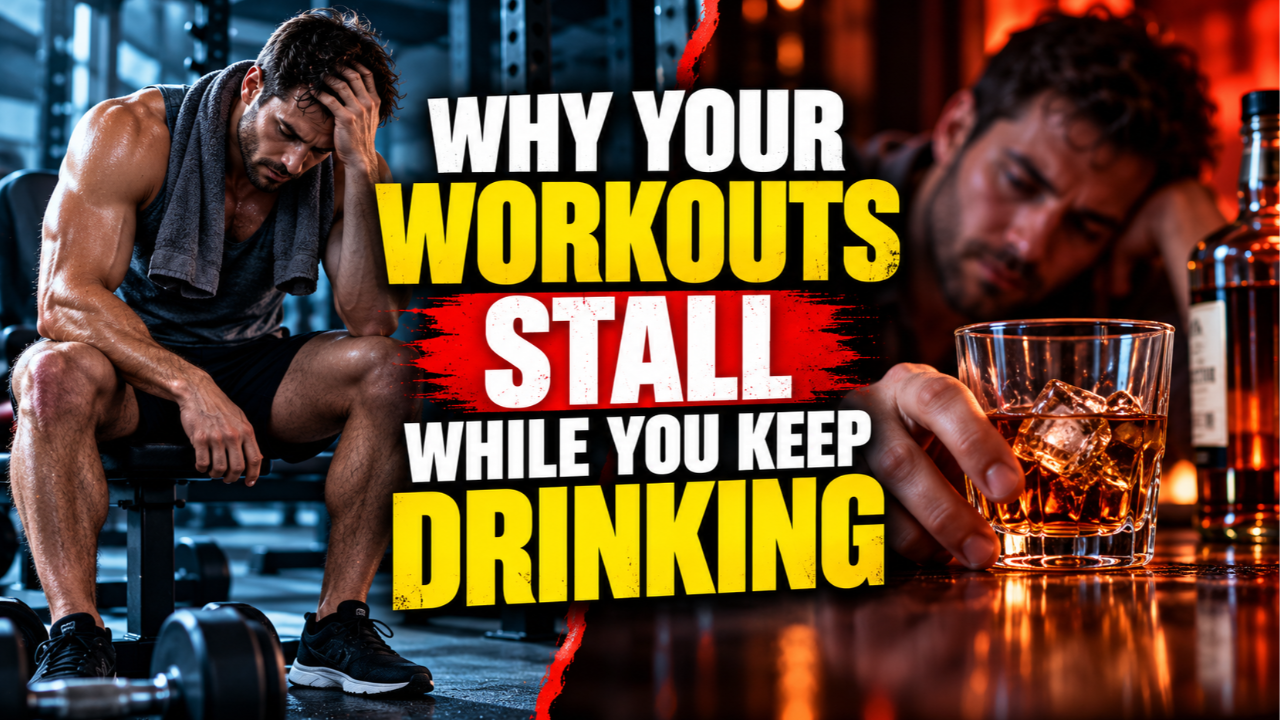
Why Your Workouts Stall While You Keep Drinking
You lace up your trainers, sweat through the session and feel like a hero. Then Friday arrives, the bottle opens, and by Monday your legs feel like wet sandbags again. Sound familiar? Plenty of active people treat exercise as a licence to drink, a sort of trade where the gym cancels out the glass. Sadly, your body never agreed to that deal, and the small print is brutal for your progress.
With the clocks going back next weekend, dark evenings make it tempting to swap the gym for the sofa and a glass of something. That's exactly when the pattern tightens its grip. Alcohol doesn't only steal an evening of training. It reaches into the recovery you earned, the sleep that rebuilds you and the motivation you'll need tomorrow. Understanding how that happens is the first step towards breaking the cycle for good.
Here's the hopeful part. Your body is incredibly forgiving. Once the booze leaves the picture, muscles repair faster, energy rises and the scales often start moving in the right direction without extra effort. Many people who quit find their fitness improves more in three months than in the previous three years. So let's look at what drinking really does to your hard work, and why life feels so much better without it.
Alcohol Steals the Gains You Worked For
Every workout creates tiny tears in your muscles. The real magic happens afterwards, when your body rebuilds those fibres stronger than before. Scientists call this muscle protein synthesis, and it's the engine behind every gain you'll ever make. Researchers in Australia found that drinking after a tough session cut that rebuilding by about 24 percent, even when people ate protein with their drinks. Without the protein, the drop hit 37 percent.
Think about that for a moment. You could spend an hour pushing through squats and sprints, then wipe out a third of the benefit before bedtime. It's like filling a bath with the plug pulled out. You keep pouring effort in, yet the water level barely moves. No wonder so many regular drinkers feel stuck on the same weights and the same waistline year after year, wondering what they're doing wrong.
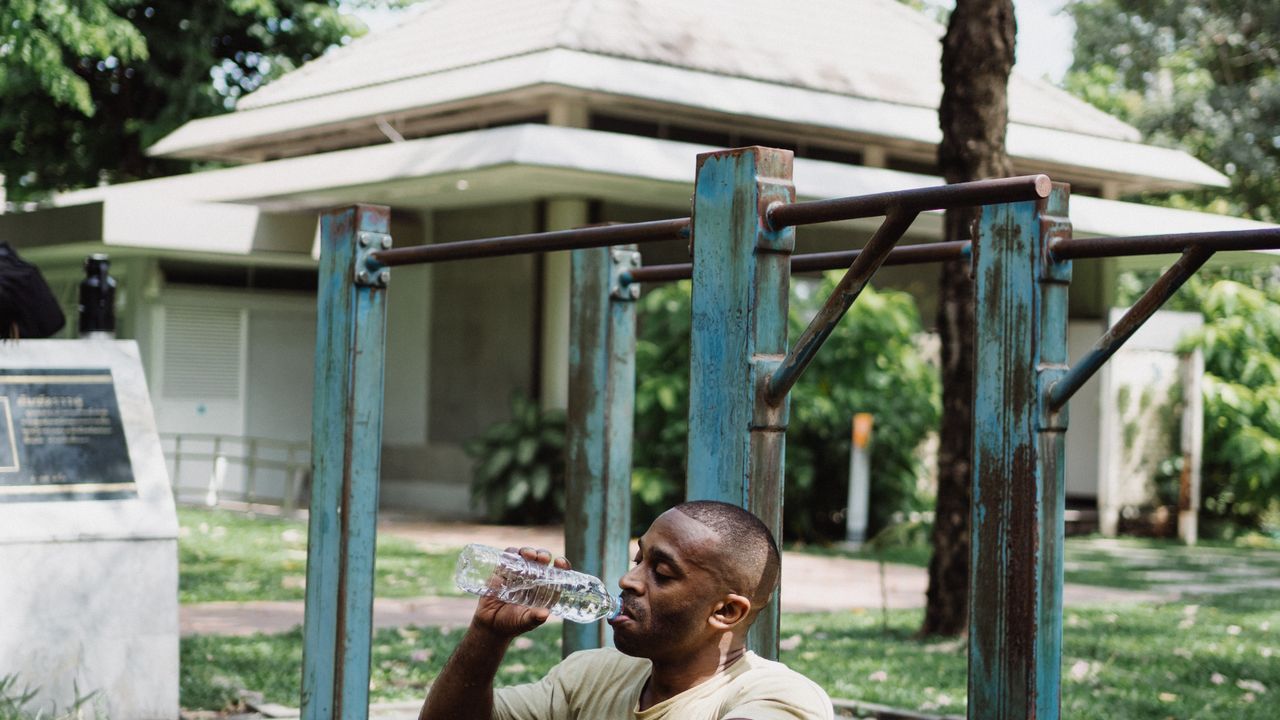
Then there's hydration. Exercise drains fluid through sweat, and your body needs to top it back up. Alcohol acts as a diuretic, so it pushes water out instead of holding it in. A classic sports science study showed that a stronger alcoholic drink after exercise increased urine output and slowed rehydration. Dehydrated muscles cramp more, recover slower and feel heavier during your next session, which hardly helps your motivation.
Sleep is the final piece of the recovery puzzle. Your body releases much of its growth hormone during deep sleep, and that's when serious repair happens. Alcohol fragments your night, so you wake groggy and stiff instead of refreshed. A review of the research on athletes and drinking found that alcohol can hamper recovery and performance well beyond the night itself. That hangover you shrug off might be the reason your progress keeps stalling.
Why Motivation Disappears After a Drink
Fitness isn't only about muscles. It's about turning up when you don't feel like it. Alcohol chips away at that drive in sneaky ways. A heavy evening leaves you with low mood and shaky confidence the next morning, so the run becomes tomorrow's problem. Then tomorrow becomes next week. Before long, you're paying for a gym membership you rarely use and wondering where your get up and go went.
There's also a nasty little loop at play. Many people reward themselves with a drink after training because they feel they've earned it. Your brain links the two together, and soon the workout feels incomplete without the pint or the glass of wine. The treat becomes the trap. It sounds harmless, yet that habit quietly undoes the very thing you were proud of an hour earlier. Sneaky, isn't it?
Here's the thing nobody at the bar will tell you. Alcohol doesn't relax you after exercise; it adds stress to a body that's already working hard to recover. Your heart rate stays higher overnight, your liver gets busy processing toxins and your muscles wait in line for attention. Remove the drink and every system can focus on making you fitter, leaner and happier instead of cleaning up the mess.
What Happens to Your Fitness When You Quit
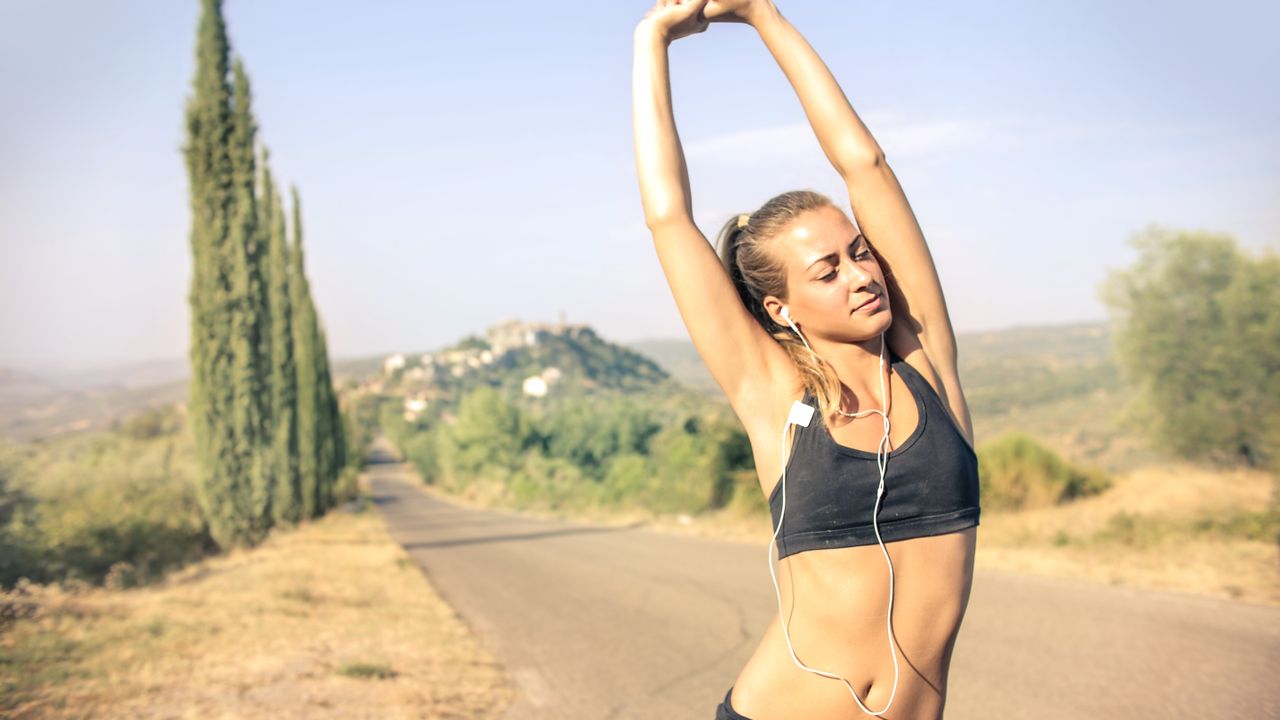
Most people notice the difference within a couple of weeks. You sleep deeper, wake earlier and find yourself actually wanting to move. Running feels lighter, weights feel less daunting and your mood stays steady. The empty calories you used to drink disappear too, which often shows on your belt. For many, this is where exercise stops feeling like punishment and starts feeling like the best part of the day.
Quitting can feel scary, especially if drinking has been part of your routine for years. The good news is you don't need iron willpower or a miserable white knuckle ride. When you understand why alcohol never gave you anything real, the desire fades on its own. That shift in thinking is a powerful personal development step, and you'll find plenty more inspiration for growth at CraigBeck.com.
Ready to see what your body can really do? Join the free quit drinking webinar and grab the free ebook at Stop Drinking Expert. Thousands of people have used this approach to stop drinking without rehab, labels or endless struggle. Before the party season arrives, give yourself the gift of clear mornings, stronger muscles and workouts that finally pay off. Your future self will thank you.
References
- Barnes, M. J. (2014). Alcohol: impact on sports performance and recovery in male athletes. Sports Medicine, 44(7), 909. Read the review
- Parr, E. B., Camera, D. M., Areta, J. L., Burke, L. M., Phillips, S. M., Hawley, J. A. and Coffey, V. G. (2014). Alcohol ingestion impairs maximal rates of myofibrillar protein synthesis following a single bout of concurrent training. PLoS One, 9(2), e88384. Read the study
- Shirreffs, S. M. and Maughan, R. J. (1997). Restoration of fluid balance after exercise induced dehydration: effects of alcohol consumption. Journal of Applied Physiology, 83(4), 1152. Read the study
⚠️ Medical Disclaimer: This article is for educational purposes only and not a substitute for professional medical advice. Alcohol withdrawal can be dangerous. If you have been drinking heavily, consult a healthcare provider before stopping. If you're experiencing a medical emergency, call emergency services immediately.
Written By