What Happens to Your Liver When You Stop Drinking (The Good News)
Nov 02, 2026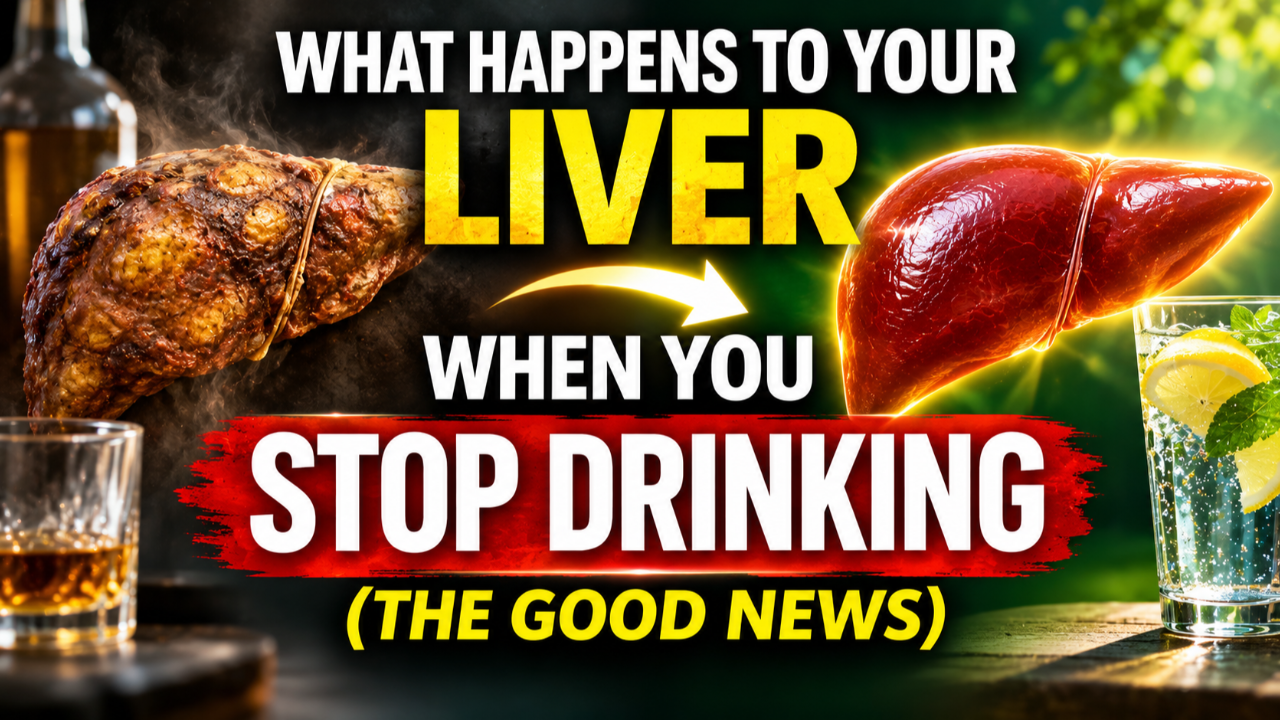
What Happens to Your Liver When You Stop Drinking (The Good News)
Sober October is nearly over, and if you've made it this far, there's a quiet hero you ought to thank. It sits under your right ribs, never complains and has spent years mopping up every glass of wine, every pint and every "one for the road." Your liver. The good news is that it's one of the most forgiving organs in your body, and it starts repairing itself far sooner than most people expect.
Plenty of drinkers carry a nagging worry about their liver. Maybe a doctor raised an eyebrow at a blood test. Maybe you've noticed a dull ache, endless tiredness or a waistline that won't budge. It's easy to assume the damage is done and there's no point stopping now. That's the trap. In most cases the opposite is true, and the moment you put the drink down, the repair crew clocks on for its first shift.
In this article you'll learn what alcohol really does to your liver, how quickly things begin to improve once you quit, and what you can do to help the healing along. You'll also see why fear alone rarely keeps anyone sober, and what works better when the novelty of a sober month starts to wear off.

What Alcohol Does to Your Liver
Your liver treats alcohol as a poison, because that's exactly what it is. It drops everything else to break it down, and that process creates a toxic compound called acetaldehyde. While your liver is busy with booze, it stops burning fat properly. The fat builds up inside the liver cells, and this is known as fatty liver. Most regular drinkers have some degree of it, often without a single symptom to warn them.
Keep drinking, and that fat can turn into inflammation, known as alcoholic hepatitis. Carry on long enough and scar tissue starts to replace healthy tissue, which is the road to cirrhosis. The cruel part is that the liver rarely hurts in the early stages. It soldiers on in silence, which is why so many people are shocked when a routine blood test comes back with numbers that make the doctor go quiet.
Here's the bit that matters. Medical guidance from the American Association for the Study of Liver Diseases makes it clear that stopping drinking is the single most important treatment for alcohol related liver disease at every stage. Fatty liver in particular is considered reversible with abstinence. Your liver isn't a lost cause. It's a hard worker that's been given far too much overtime, and it's waiting for you to give it a break.
How Fast Your Liver Starts to Heal
The liver has a remarkable talent that almost no other organ can match. It can regenerate. Scientists have known for decades that the liver can regrow lost tissue and restore itself, a process described in detail by researcher George Michalopoulos. That ability doesn't switch off because you've had a few too many over the years. Remove the daily assault, and the repair work gets going quickly.

Many people notice changes within a few weeks of quitting. Fat begins to clear from the liver, inflammation settles, and blood markers often move in the right direction. Researchers at University College London followed moderate to heavy drinkers who gave up alcohol for one month. Compared with those who kept drinking, they saw improvements in insulin resistance, blood pressure and weight, plus a drop in growth factors linked to cancer. That's a lot of benefit from thirty days.
Scar tissue from years of heavy drinking takes longer to improve, and severe cirrhosis may not fully reverse. Even then, stopping gives you the best possible chance of halting the damage in its tracks. Think of it like a garden left to the weeds. It won't look perfect overnight, but the day you stop throwing rubbish over the fence is the day it starts to recover.
Helping Your Liver Recover After Sober October
You don't need a fancy detox tea or a pricey cleanse. Your liver is the detox. The best thing you can do is keep alcohol out of the picture and let it do its job. Eat plenty of vegetables, cut back on sugary snacks and processed food, drink lots of water and get moving every day. A brisk walk does more for liver fat than any supplement on the chemist's shelf.
It's also smart to book a check up and ask for a liver function test, especially if you've been drinking heavily for years. Seeing the numbers improve can be a brilliant boost. Be careful, though, with the idea that a better result means you can go back to the old routine. Many people finish a sober month, feel fantastic, then slide straight back into the habit that caused the trouble in the first place.
Fear of liver damage can get you started, but it rarely keeps you going. Willpower runs out, and the scary statistics fade from memory. What lasts is a genuine change in how you see alcohol, so drinking stops looking like a treat you're missing. If you'd like to explore the deeper personal development side of change, you'll find plenty of support at CraigBeck.com.
Ready to make this month the start of something permanent? Get started with the full Stop Drinking Expert course and learn how to remove the desire to drink rather than fight it every evening. Prefer to start with a good read? Pick up the book on Amazon and give your liver the long holiday it's earned.
References
- Crabb, D. W., Im, G. Y., Szabo, G., Mellinger, J. L., & Lucey, M. R. (2020). Diagnosis and treatment of alcohol‑associated liver diseases: 2019 practice guidance from the American Association for the Study of Liver Diseases. Hepatology, 71(1), 306–333. https://doi.org/10.1002/hep.30866
- Mehta, G., Macdonald, S., Cronberg, A., et al. (2018). Short‑term abstinence from alcohol and changes in cardiovascular risk factors, liver function tests and cancer‑related growth factors: a prospective observational study. BMJ Open, 8(5), e020673. https://doi.org/10.1136/bmjopen-2017-020673
- Michalopoulos, G. K. (2007). Liver regeneration. Journal of Cellular Physiology, 213(2), 286–300. https://doi.org/10.1002/jcp.21172
⚠️ Medical Disclaimer: This article is for educational purposes only and not a substitute for professional medical advice. Alcohol withdrawal can be dangerous. If you have been drinking heavily, consult a healthcare provider before stopping. If you're experiencing a medical emergency, call emergency services immediately.
Written By