Why You Dream About Drinking After You Quit (And Why It's a Good Sign)
Oct 31, 2026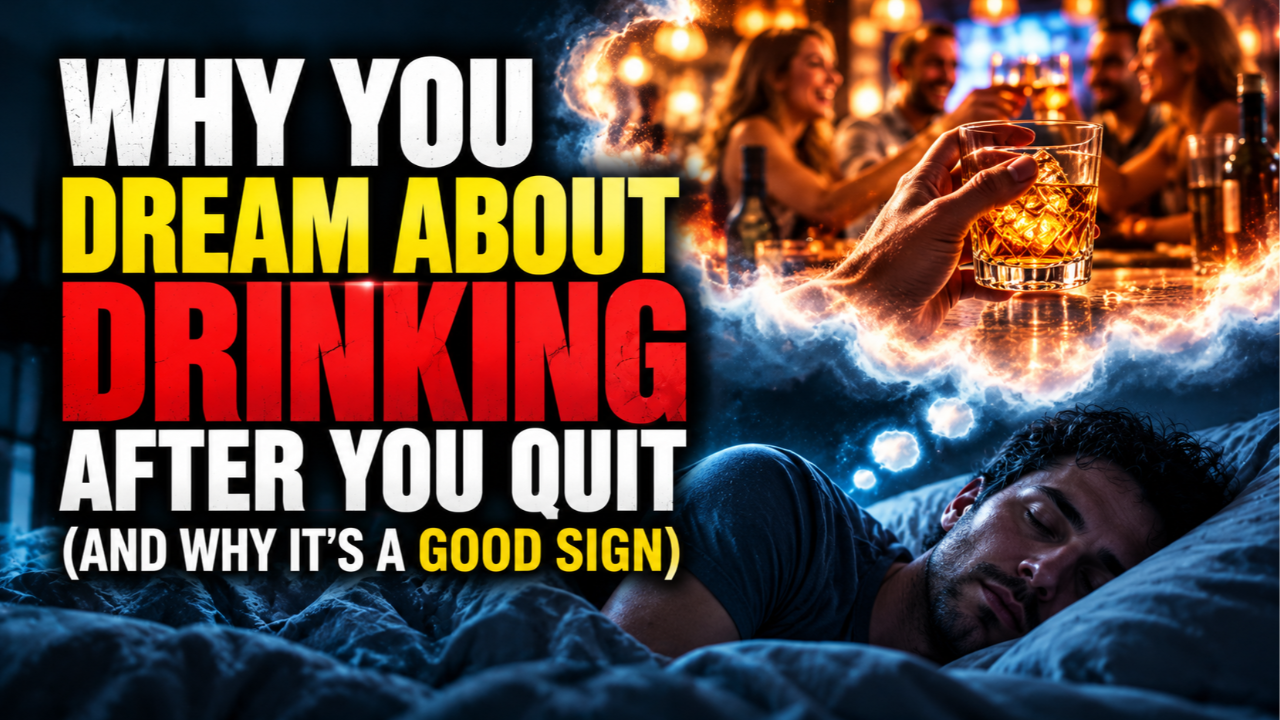
Why You Dream About Drinking After You Quit (And Why It's a Good Sign)
It's Halloween week, so let's talk about nightmares. Not the ones with zombies and chainsaws, but the sneaky kind that plenty of people get after they stop drinking. You're at a party, someone hands you a glass, and before you know it you've downed the lot. Then you wake up in a cold sweat, heart pounding, convinced you've thrown away every sober day you've earned. Sound familiar?
If this has happened to you, you're in very good company. Drinking dreams are one of the most common and least talked about parts of quitting alcohol. They can leave you rattled for the whole morning, wondering if your subconscious knows something you don't. Maybe part of you secretly still wants to drink? Maybe you're heading for a fall? Take a deep breath. The truth is far more reassuring than your 3am brain would have you believe.
In this article you'll learn why these dreams happen, what they really mean, why they tend to fade with time and what you can do to take the sting out of them. By the end, you might even see the next one as a sign that your brain is busy rewiring itself in your favour, rather than a spooky warning that you're doomed to fail.
How Common Are Drinking Dreams?
Researchers at the Recovery Research Institute in Boston decided to put a number on this. John Kelly and Claire Greene surveyed a nationally representative sample of American adults who had overcome a serious alcohol or drug problem. Roughly one in three of them reported having drinking or using dreams after they stopped. That's millions of people waking up with the same jolt of panic, then the same flood of relief when they realise it wasn't real.
The study found something even more encouraging. The longer people stayed free, the further in the past their last drinking dream tended to be. In other words, these dreams fade with time. The authors suggested this decline may reflect growing stability in your life and less background worry about slipping. So if you're having them a lot right now, it's often a sign of where you are on the journey, not where you'll end up.
It's also worth knowing that people with a heavier drinking history were more likely to report these dreams. That isn't a mark against you. It simply means your brain spent a long time building alcohol into its routines, and it takes a little while to clear out the cobwebs. Think of it as spring cleaning in the middle of autumn. A bit messy for a while, but the house ends up far tidier.
What Your Brain Is Really Doing at Night
Alcohol is a heavy handed sleep disruptor. Research reviewed by Ebrahim and colleagues shows that drinking before bed suppresses REM sleep early in the night, which is the stage where most vivid dreaming happens. When you stop drinking, your brain often makes up for lost time with a REM rebound. Dreams become longer, brighter and more memorable. No wonder the drinking ones feel so real.
Dreams also seem to help us process emotions and memories. For years, alcohol was woven into your celebrations, your stress relief and your Friday nights. When you remove it, your sleeping mind starts sorting through all those old associations. A drinking dream is often nothing more sinister than your brain filing away an old habit. It's housekeeping, not a prophecy, and it certainly isn't a secret confession that you want to drink again.

Notice the feeling you have when you wake up, too. Most people describe a wave of relief. That reaction tells you everything. If you truly wanted to be drinking, you'd wake up disappointed. Instead, you're grateful it didn't happen. Your values and your choices are already pointing in the right direction, and the dream has handed you clear proof of how much your freedom means to you.
How to Take the Fear Out of Drinking Dreams
Start by changing the story you tell yourself. Next time you wake from one of these dreams, say out loud, that was a dream, and I'm glad I'm free. Then get up, splash some cold water on your face and get on with your morning. The more you treat the dream as normal, the less power it has to rattle you. Fear feeds on secrecy, so don't keep it to yourself either.
Look after your sleep, because a calmer night often brings calmer dreams. Keep a regular bedtime, cut back on late caffeine and give yourself a screen free half hour before you turn in. Some people find it helpful to jot down a few thoughts before bed, emptying the mind so it has less to chew over. Your body is healing, so give it the conditions it needs to do the job well.
Finally, ask yourself whether you've truly changed how you see alcohol or whether you're still gritting your teeth. If you feel you're missing out, those dreams can carry a whiff of longing. When you understand what booze really does, that sense of sacrifice melts away, and the dreams tend to lose their grip. If you'd like to explore the deeper personal development side of this, you'll find plenty of support at CraigBeck.com.
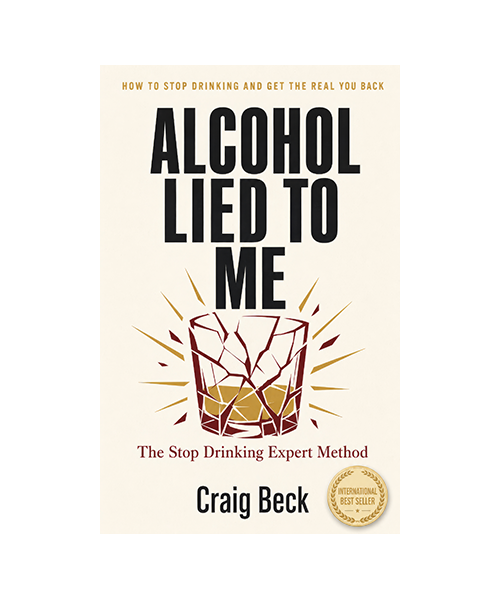
If you're ready to stop worrying about alcohol by day or by night, get started with the full Stop Drinking Expert course and discover how to remove the desire to drink rather than fight it. Fancy something to read before bed tonight instead of scrolling? Pick up the book on Amazon and see why so many people finally find quitting easy once the illusion is gone.
References
- Ebrahim, I. O., Shapiro, C. M., Williams, A. J., & Fenwick, P. B. (2013). Alcohol and sleep I: Effects on normal sleep. Alcoholism: Clinical and Experimental Research, 37(4), 539–549. https://doi.org/10.1111/acer.12006
- Kelly, J. F., & Greene, M. C. (2019). The reality of drinking and drug using dreams: A study of the prevalence, predictors, and decay with time in recovery in a national sample of U.S. adults. Journal of Substance Abuse Treatment, 96, 12–17. https://doi.org/10.1016/j.jsat.2018.10.005
⚠️ Medical Disclaimer: This article is for educational purposes only and not a substitute for professional medical advice. Alcohol withdrawal can be dangerous. If you have been drinking heavily, consult a healthcare provider before stopping. If you're experiencing a medical emergency, call emergency services immediately.
Written By