What Happens to Your Heart When You Stop Drinking
Nov 09, 2026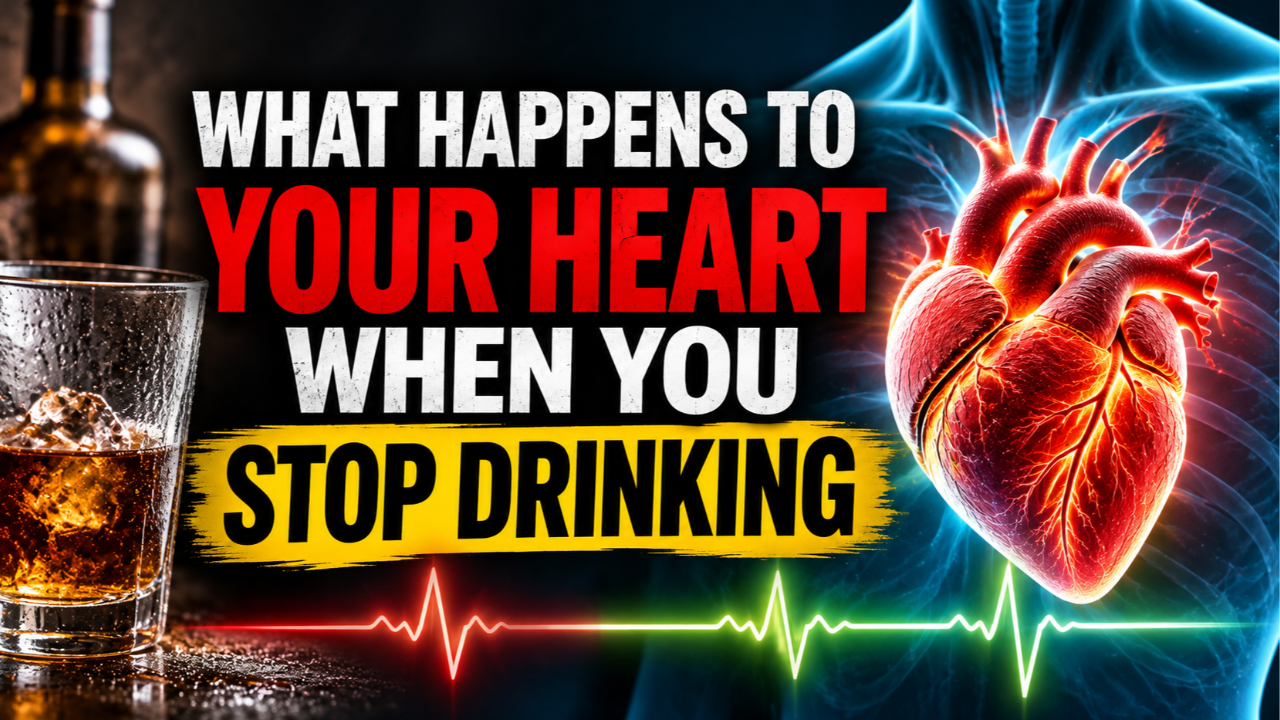
What Happens to Your Heart When You Stop Drinking
Sober October finishes this week, and plenty of people already have a celebration bottle chilling for November 1st. Before you pop that cork, it's worth knowing what the last few weeks have quietly done for the hardest working muscle you own. Your heart has been beating around 100,000 times a day, every day, while alcohol nudged up your blood pressure, rattled your rhythm and kept your resting pulse higher than it needed to be.
Most drinkers worry about their liver and barely give their heart a second thought. That's a mistake. Regular drinking is one of the most common, and most fixable, causes of high blood pressure. The upside is that your cardiovascular system responds to change surprisingly fast. Within days of putting the glass down, things start to settle, and within weeks the numbers on a blood pressure cuff can look very different.
How Alcohol Puts Pressure on Your Heart
Alcohol doesn't feel like a stimulant. It feels like a warm blanket at the end of a long day. Yet behind that relaxed feeling, your body is doing something quite different. Drinking ramps up your sympathetic nervous system, the same fight or flight wiring that kicks in when you're stressed. It also disrupts hormones that control fluid balance and tightens your blood vessels, so your heart has to push harder with every beat.
Over months and years, that extra effort adds up. A large analysis in The Lancet found that higher drinking was linked with greater risk of stroke, heart failure and fatal high blood pressure disease, even at levels many people would call social. The old story about a glass of red being good for your heart has taken a battering. Any small benefit was largely a quirk of how earlier studies grouped people.
Then there's the rhythm problem. Doctors talk about "holiday heart," when a weekend of heavy drinking triggers an irregular heartbeat called atrial fibrillation. It can feel like a fish flapping in your chest, and it raises the risk of stroke. You don't need to be a heavy drinker for it to show up. For some people, a few drinks is plenty to set it off.
The Good News: Your Heart Recovers Quickly
Here's where things get encouraging. Research pooling dozens of trials found that when people who drank more than two drinks a day cut down sharply, their blood pressure fell in a meaningful way. The bigger the reduction, the bigger the drop. That's the kind of result doctors usually expect from medication, and you get it by removing something rather than adding a pill.
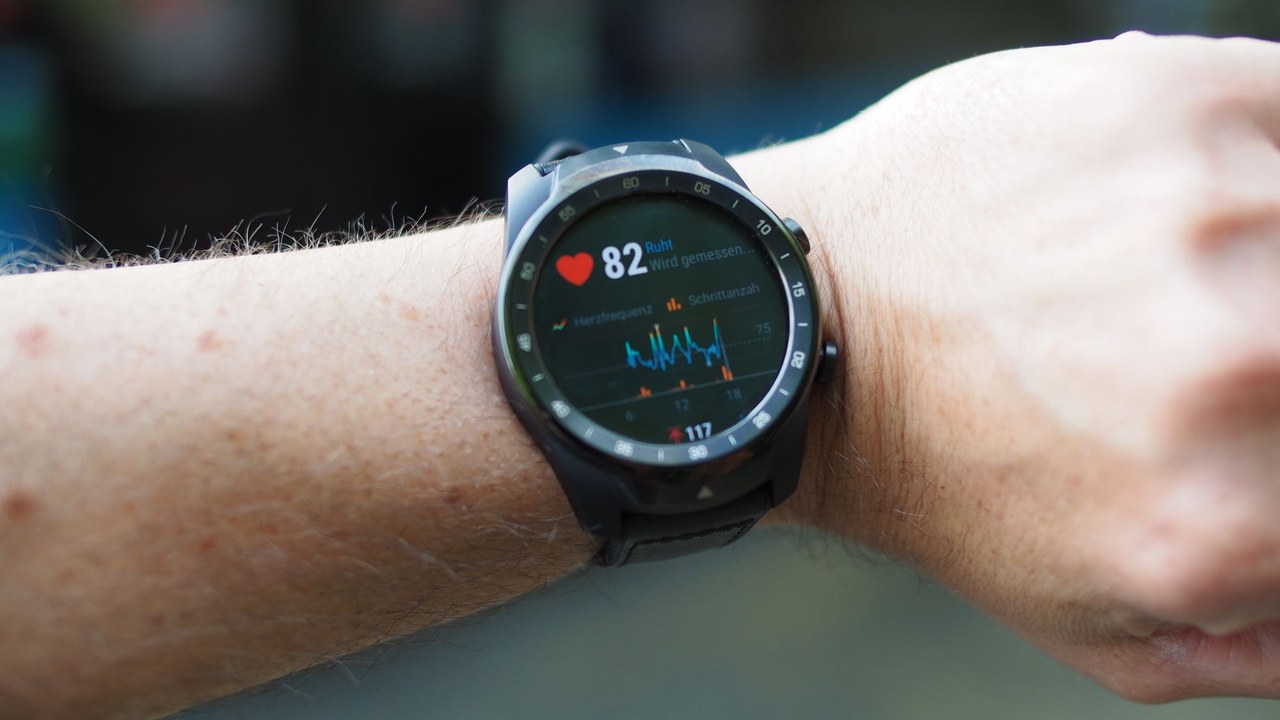
A study of people who gave up alcohol for one month saw blood pressure come down, alongside better sleep, improved concentration and some weight loss. Your resting heart rate tends to fall too, which you'll notice if you wear a fitness tracker. Many people are amazed to see their overnight heart rate drop by several beats a minute within the first fortnight. It's one of the clearest signs that your body is grateful.
For people with atrial fibrillation, the results are even more striking. A trial published in the New England Journal of Medicine found that regular drinkers with the condition who stopped had far fewer episodes than those who kept drinking. Removing alcohol wasn't a nice extra. It was a genuine treatment, and it cost nothing at all.
Keeping the Benefits After October Ends
Here's the trap. You finish a sober month, feel brilliant, see a lovely blood pressure reading, and decide you've earned a drink. Within a few weeks, the pressure creeps back, the pulse rises and the palpitations return. Your heart doesn't keep a bank balance of sober days. It responds to what you're doing now, which means the benefits only last as long as the change does.
That's why counting days and gritting your teeth rarely works for long. Willpower is a battery, and it runs flat right when life gets busy. What changes things for good is seeing alcohol clearly, without the marketing gloss, so there's nothing left to miss. If you'd like to go deeper into the mindset and personal development side of change, you'll find plenty of support at CraigBeck.com.
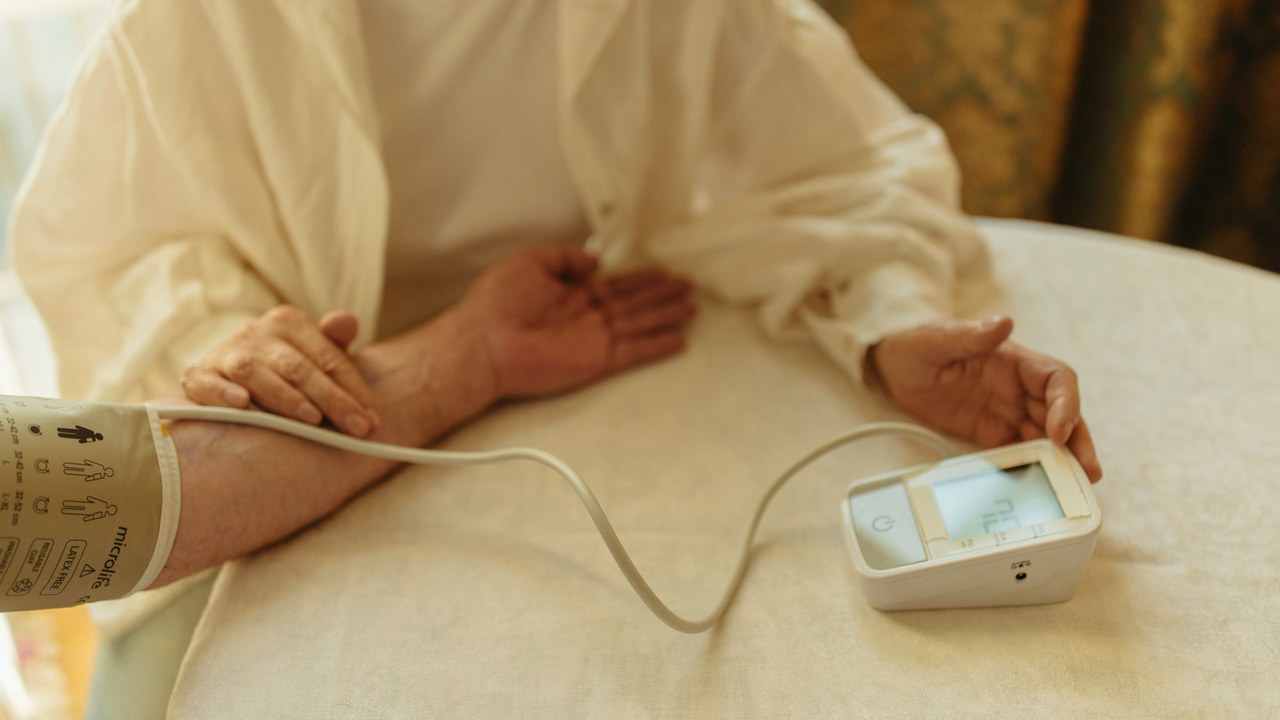
In the meantime, look after your heart in simple ways. Get your blood pressure checked, ideally before and after a few alcohol free weeks, so you can see the difference in black and white. Walk every day, cut back on salty processed food, and give yourself proper sleep. Those numbers make a brilliant reminder on the days when an old habit starts whispering.
Ready to make November the month your heart gets a permanent break? Get started with the full Stop Drinking Expert course and learn how to remove the desire to drink instead of fighting it every night. Prefer to begin with a good read? Grab the book on Amazon and give your heart something to celebrate.
References
- Mehta, G., Macdonald, S., Cronberg, A., et al. (2018). Short term abstinence from alcohol and changes in cardiovascular risk factors, liver function tests and cancer related growth factors: a prospective observational study. BMJ Open, 8(5), e020673. https://doi.org/10.1136/bmjopen-2017-020673
- Roerecke, M., Kaczorowski, J., Tobe, S. W., et al. (2017). The effect of a reduction in alcohol consumption on blood pressure: a systematic review and meta analysis. The Lancet Public Health, 2(2), e108–e120. https://doi.org/10.1016/S2468-2667(17)30003-8
- Voskoboinik, A., Kalman, J. M., De Silva, A., et al. (2020). Alcohol abstinence in drinkers with atrial fibrillation. New England Journal of Medicine, 382(1), 20–28. https://doi.org/10.1056/NEJMoa1817591
- Wood, A. M., Kaptoge, S., Butterworth, A. S., et al. (2018). Risk thresholds for alcohol consumption: combined analysis of individual participant data for 599,912 current drinkers in 83 prospective studies. The Lancet, 391(10129), 1513–1523. https://doi.org/10.1016/S0140-6736(18)30134-X
⚠️ Medical Disclaimer: This article is for educational purposes only and not a substitute for professional medical advice. Alcohol withdrawal can be dangerous. If you have been drinking heavily, consult a healthcare provider before stopping. If you're experiencing a medical emergency, call emergency services immediately.
Written By