Why the Weight Won't Shift While You're Still Drinking
Oct 30, 2026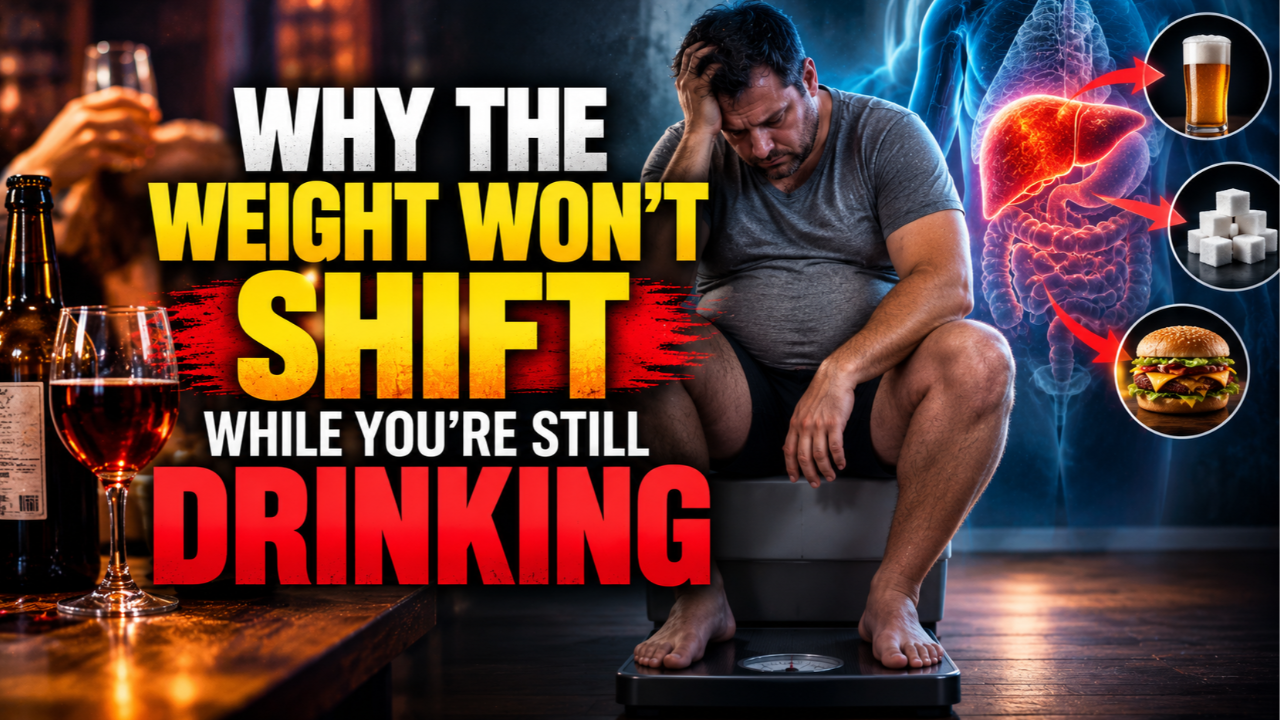
Why the Weight Won't Shift While You're Still Drinking
There are roughly nine weeks until Christmas, and right on cue the diet chatter has started. People are swapping chips for salads, dusting off the running shoes and eyeing up that party outfit hanging in the wardrobe. Yet plenty of them will step on the scales in December and find the number hasn't budged. They'll blame their metabolism, their age or their genes. Very few will point the finger at the glass in their hand.
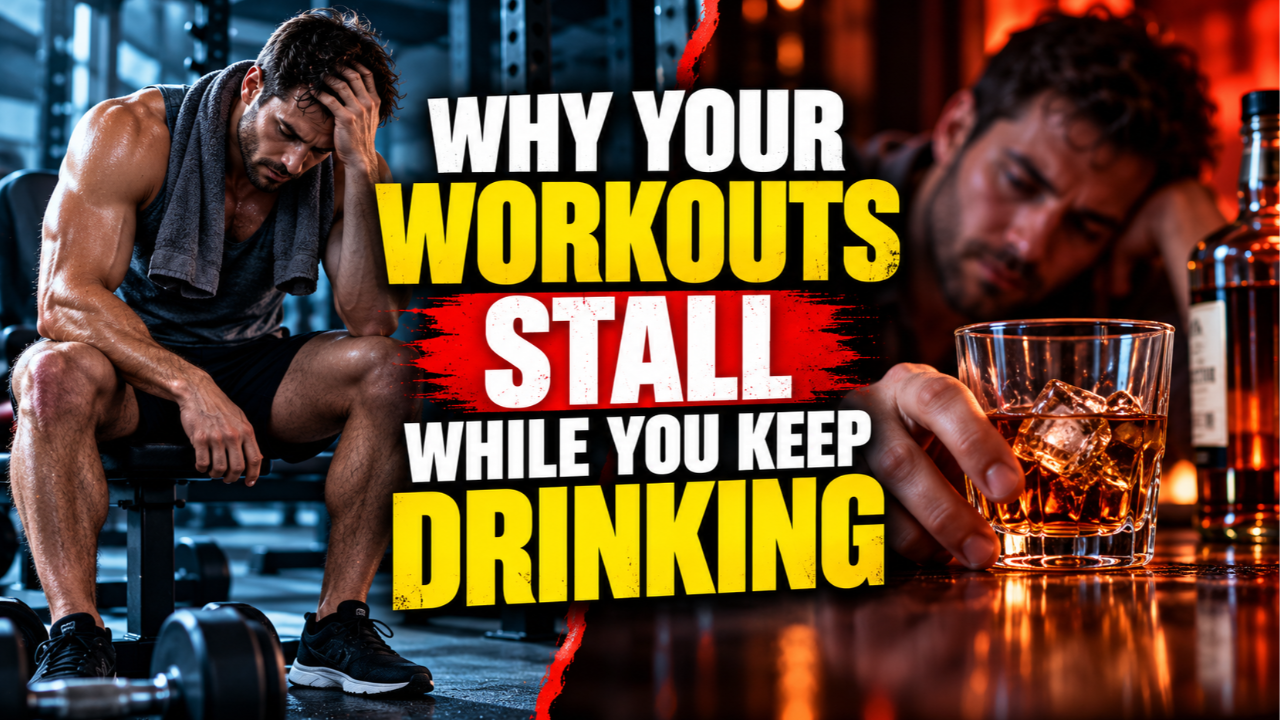
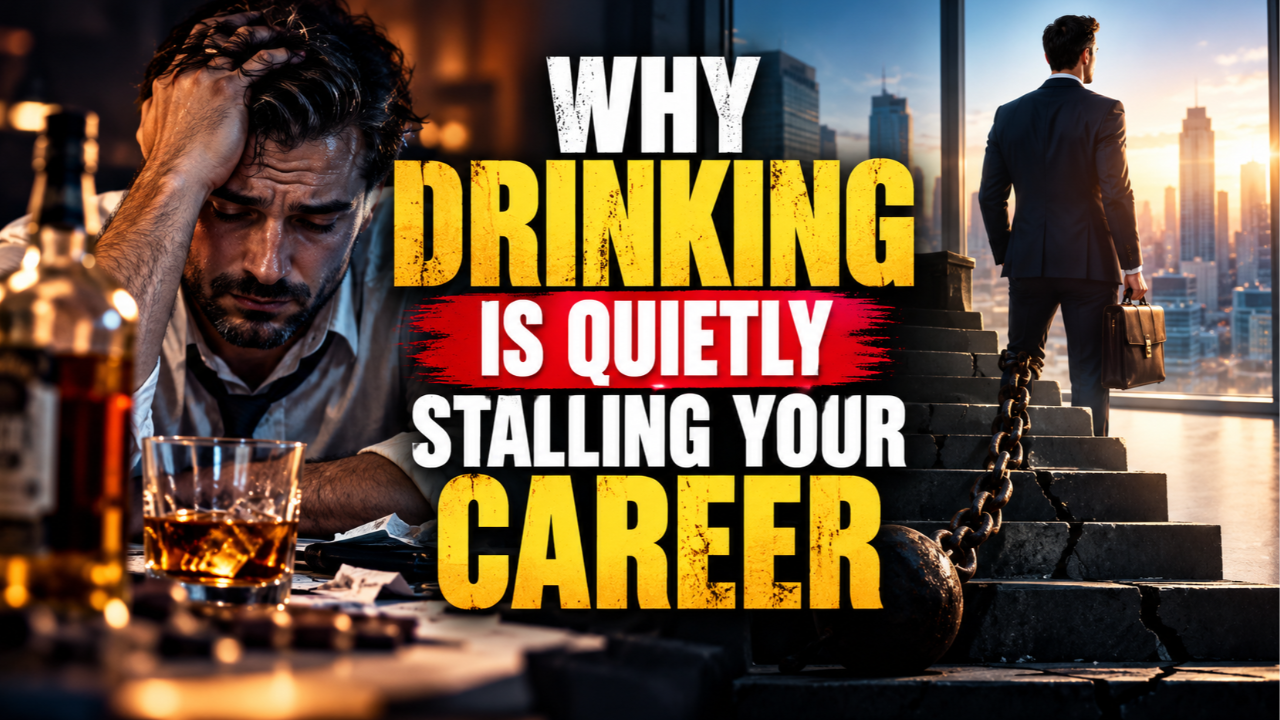
That's a shame, because alcohol is one of the sneakiest reasons the weight won't shift. It doesn't announce itself like a cream cake or a family size bag of crisps. It slips into your evening dressed as relaxation, and nobody counts it. You can eat beautifully all day, hit your step count and still undo the lot between seven and ten o'clock at night without noticing a thing.
The good news is that this works both ways. Once you understand what drinking is quietly doing to your waistline, you can stop fighting your body and start working with it. Let's look at the three main ways alcohol keeps the pounds glued on, and what tends to happen when you finally take it out of the picture for good.
The Calories You Never Count
Alcohol carries about seven calories per gram, which is nearly as much as pure fat and almost double the amount in sugar. A large glass of wine can easily come in at around 200 calories. Three pints of lager on a Friday is roughly the same as a burger and fries. Do that a few nights a week and you've added a whole extra meal or two without ever sitting down to eat it.
Here's the bigger problem. Your body treats alcohol as a toxin, so it pushes it to the front of the queue. While your liver is busy clearing the booze, fat burning more or less goes on hold. Researchers Traversy and Chaput note that this is one reason regular heavy drinking is linked with weight gain, particularly around the middle. The famous beer belly isn't a myth. It's biology doing exactly what it was designed to do.
And then there are the mixers. Tonic, cola and those fancy cocktail syrups all add sugar on top, so the real total climbs higher than you think. Even the drinks marketed as light or skinny still carry a bill your body has to pay. You might trim a few calories off the label, but you can't trim off the way your liver prioritises clearing alcohol over burning stored fat.
Why Drinking Makes You So Hungry
Ever noticed how a couple of drinks turns a sensible dinner into a raid on the cupboard? You're not imagining it. A clever brain imaging study by Eiler and colleagues found that even a modest amount of alcohol made women's brains respond more strongly to food smells, and they went on to eat more afterwards. Scientists call it the aperitif effect. Your willpower didn't vanish. Your brain chemistry changed the rules on you.
A review by Martin Yeomans adds that the calories from alcohol don't make you feel full the way food does, so you rarely eat less to make up for them. Instead you tend to eat more. Add a hangover the next morning, with its craving for bacon sandwiches and fizzy drinks, and a single evening can ripple across an entire weekend. That's how a bottle of wine quietly becomes a three day eating event without you ever planning it.
Sleep plays its part too. Alcohol knocks you out but wrecks the quality of your rest, and tired people crave fast energy. Hunger hormones go haywire, the biscuits start calling your name and the gym session you promised yourself gets cancelled. It's a domino effect, and the first domino is nearly always that drink you told yourself would help you unwind after a long day.
What Happens to Your Weight When You Quit
When people stop drinking, many notice their face looks less puffy within a week or two. That's partly reduced bloating and better hydration. Over the following months, with those empty calories gone and late night snacking reduced, steady weight loss is common, though everybody is different and a few people swap wine for sugar at first. Be kind to yourself if that happens. It usually settles down once your body finds its balance.
Better still, you get your mornings back. You wake up with energy, so that walk, swim or run actually happens. You make better food choices because you're not fighting a thumping head. The scales start moving in the right direction without you counting every calorie or living on lettuce. It feels less like a diet and more like your body finally getting a fair chance to do its job.
Lose the Booze, Lose the Battle
You don't need another faddy diet before Christmas. You need to stop pouring the fuel that keeps the fire burning. The good news is that quitting doesn't have to feel like punishment. When you understand why you drink and see through the promises alcohol makes, the desire fades and you won't feel like you're missing out on anything at all.
If you're ready to make that change, get started with the full Stop Drinking Expert course and join the thousands of people who've quit without relying on willpower or misery. Prefer to start with a good read on the sofa tonight? Pick up the book on Amazon and see how much lighter life feels when alcohol is no longer running the show.
References
- Eiler, W. J. A., Džemidžić, M., Case, K. R., Soeurt, C. M., Armstrong, C. L. H., Mattes, R. D., O'Connor, S. J., Harezlak, J., Acton, A. J., Considine, R. V., & Kareken, D. A. (2015). The apéritif effect: Alcohol's effects on the brain's response to food aromas in women. Obesity, 23(7), 1386–1393. https://doi.org/10.1002/oby.21109
- Traversy, G., & Chaput, J. P. (2015). Alcohol consumption and obesity: An update. Current Obesity Reports, 4(1), 122–130. https://doi.org/10.1007/s13679-014-0129-4
- Yeomans, M. R. (2010). Alcohol, appetite and energy balance: Is alcohol intake a risk factor for obesity? Physiology & Behavior, 100(1), 82–89. https://doi.org/10.1016/j.physbeh.2010.01.012
⚠️ Medical Disclaimer: This article is for educational purposes only and not a substitute for professional medical advice. Alcohol withdrawal can be dangerous. If you have been drinking heavily, consult a healthcare provider before stopping. If you're experiencing a medical emergency, call emergency services immediately.
Written By