Quit Drinking Now and Christmas Could Pay for Itself
Oct 13, 2026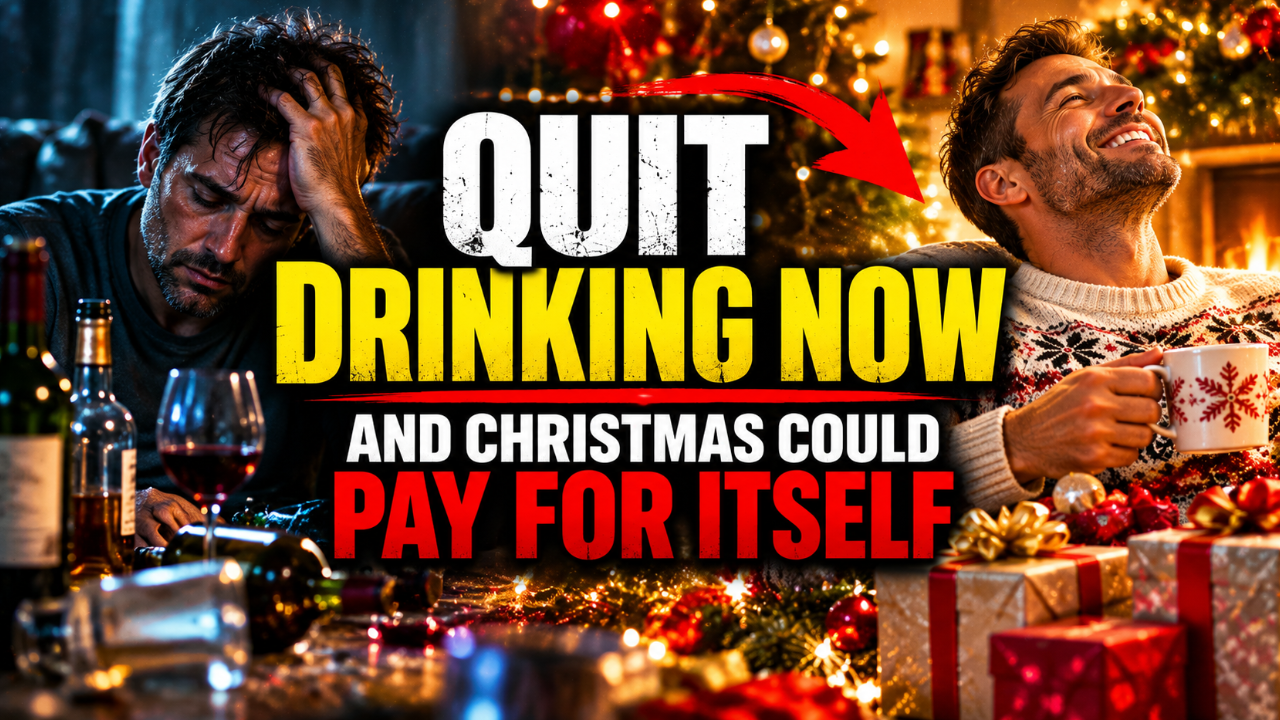
Quit Drinking Now and Christmas Could Pay for Itself
There are roughly seventy five sleeps until Christmas, and the shops already know it. Tinsel is creeping onto the shelves, the adverts are getting louder, and your bank account is bracing itself for impact. Most of us start the festive countdown wondering how we'll afford everything. Here's a question that rarely makes the list. How much of your money is quietly sloshing down the sink every week, one bottle at a time?

Drinking is rarely a single expense. It hides inside the supermarket shop, the round at the pub, the takeaway you order because cooking feels impossible after three glasses, and the pricey coffee you need the morning after. Because the costs are scattered, they never look scary on their own. A tenner here, twenty pounds there. Add them up honestly, though, and the total can make your eyes water faster than a raw onion.
Researchers at University College London and the University of Sheffield tracked the drinking budgets of more than forty four thousand adults in England. By late 2023 the average risky drinker was spending around £18.60 a week on alcohol alone. That figure is an average, so plenty of people spend far more. A bottle of wine each evening at eight pounds comes to fifty six pounds every week, and that's before anyone mentions the crisps.
Think about how you'd react if a stranger asked for fifty six pounds every Monday and offered nothing in return. You'd laugh and walk away. Yet alcohol makes that request every week, and most of us hand it over without blinking. Part of the trick is that a drink feels like a reward after a long day. The drinks industry spends fortunes making sure the bottle looks like a treat rather than a bill.
The Hidden Price Tag Nobody Prints on the Receipt
Now stretch those numbers across the run up to Christmas. Even the average figure adds up to roughly two hundred pounds between now and the big day. The bottle a night habit comes closer to six hundred. That's a new winter coat, a weekend away, or every present on your list paid for in cash. Over a full year the same habit swallows almost three thousand pounds, which is a holiday most people daydream about.
The cash at the till is only the opening act. Alcohol charges interest in ways your bank statement never shows. There are the Sunday mornings written off on the sofa, the lost motivation at work, the impulse buys made after a few glasses, and the taxis home because driving is out of the question. Many people also snack heavily when they drink, so the grocery bill climbs right alongside the number on the bathroom scales.
Money worries and drinking also feed each other. A study of Australian households found that families spending a bigger share of their budget on alcohol were more likely to report financial difficulties, such as struggling with bills or going without essentials. Stress about money then becomes one more excuse to pour a drink and forget about it for the evening. It's a merry go round that keeps on spinning until you decide to step off.
There's a seasonal sting in the tail too. December is the month when drinking budgets explode. Office parties, family gatherings and festive offers on spirits all push spending higher at the exact moment presents, food and heating bills arrive. January then lands with a thud, bringing a fat credit card statement and a heavy head. No wonder so many people start the new year feeling broke, tired and thoroughly fed up.
What Seventy Five Sober Days Could Buy You
Here's the bright side. When the drinking stops, the savings start on day one, and you notice them fast. Plenty of people open a separate account and move their old drinks budget into it every Friday. Watching that balance grow becomes oddly addictive, in the healthiest possible way. Research on people who took a month off alcohol for Dry January found most were still drinking less six months later, and few bounced back harder.

The real return is bigger than any balance, though. You buy back your mornings, your energy and your patience with the people you love. You arrive at Christmas clear headed, present for every conversation and able to remember them all on Boxing Day. Willpower isn't the secret. Once you understand why alcohol has fooled you for so long, the desire fades and saying no feels easy rather than heroic. That change in thinking alters everything.
If you'd like to start your own savings countdown today, join the free quit drinking webinar and grab your free ebook from Stop Drinking Expert. You'll discover a proven method that has helped thousands of people quit without rehab, shame or white knuckle willpower. Picture Christmas morning with money in the bank, a clear head and nothing to regret. Isn't that the best gift you could give yourself this year?
References
- Jackson, S. E., Oldham, M., Angus, C., Garnett, C., Wilson, L., Holmes, J. and Brown, J. (2024). Trends in alcohol expenditure among risky drinkers: a population study in England, 2014 to 2023. International Journal of Drug Policy, 133, 104615. Read the study
- Jiang, H., Livingston, M. and Room, R. (2015). How financial difficulties interplay with expenditures on alcohol: Australian experience. Journal of Public Health, 23(5), 267 to 276. Read the study
- de Visser, R. O., Robinson, E. and Bond, R. (2016). Voluntary temporary abstinence from alcohol during Dry January and subsequent alcohol use. Health Psychology, 35(3), 281 to 289. Read the study
⚠️ Medical Disclaimer: This article is for educational purposes only and not a substitute for professional medical advice. Alcohol withdrawal can be dangerous. If you have been drinking heavily, consult a healthcare provider before stopping. If you're experiencing a medical emergency, call emergency services immediately.
Written By