Brain Fog and Booze: How Fast Your Mind Clears When You Quit
Oct 08, 2026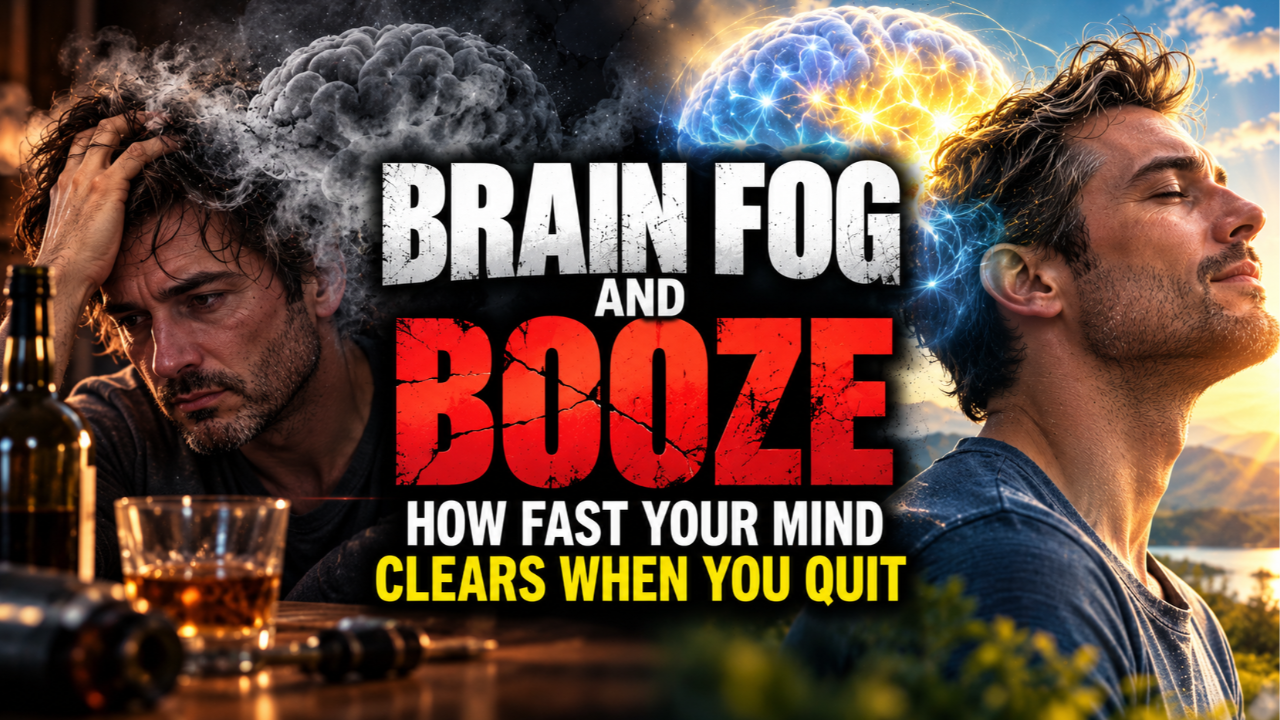
Brain Fog and Booze: How Fast Your Mind Clears When You Quit
World Mental Health Day lands this Saturday, so here's an awkward question worth asking. How sharp does your mind really feel on a Monday morning? If you walk into rooms and forget why, lose words halfway through a sentence, or reread the same email three times, you're far from alone. Plenty of regular drinkers live under a permanent mental fog, and most of them blame age, stress or a busy diary.

Here's the thing nobody mentions at the bar. Alcohol is a drug that works directly on your brain, which is the whole reason people drink it. That relaxed, fuzzy feeling after the second glass is your nerve cells being slowed down on purpose. The problem is that the slowing doesn't stop when the glass is empty. It lingers into tomorrow, and with regular use it starts to look like your normal.
What Alcohol Really Does to Your Thinking
Scientists studying more than 36,000 adults in the UK Biobank found something sobering. Even light to moderate drinking was linked with smaller overall brain volume, and the more people drank, the bigger the difference. Going from one daily drink to two was associated with changes similar to two extra years of brain ageing. That's not a warning reserved for heavy drinkers. It's a pattern showing up in ordinary people with ordinary habits.
Another long study followed hundreds of British civil servants for thirty years. People who drank moderately, around 14 to 21 units a week, had three times the odds of shrinkage in the hippocampus compared with people who didn't drink. That's the part of your brain that files away new memories. So when you can't remember where you parked or what your colleague told you yesterday, the explanation might be sitting in your recycling bin.
Then there's sleep. A nightcap might knock you out, but it wrecks the deep and dreaming stages of rest your brain needs to sort and store information overnight. You wake up groggy, reach for coffee, and drag yourself through the afternoon. By evening you're frazzled, so you pour another drink to unwind. Round and round it goes, and the fog thickens without you ever noticing it arrive.
The Good News: Your Brain Bounces Back
Now for the part that should put a smile on your face. Your brain is remarkably forgiving. Researchers scanning people during the first fourteen days after they stopped drinking saw measurable increases in brain volume in that short window. Two weeks. That's less time than most holidays take to plan. The tissue that alcohol had quietly squeezed began to recover almost as soon as the supply stopped arriving every evening.

People who quit often describe the change in vivid terms. Colours seem brighter, conversations flow more easily, and that missing word turns up when you need it. Many notice they can read a book for an hour without drifting. Others find their temper softens and their patience grows. None of this is magic. It's simply what happens when you stop pouring a sedative over the most complex organ you own, night after night.
You can speed the recovery along with a few simple habits. Drink plenty of water, get outside for a brisk walk most mornings, and eat proper meals with oily fish, nuts and berries. Give yourself a regular bedtime and let your natural sleep return. Above all, be patient. The first week can feel bumpy while your brain recalibrates, but the clarity waiting on the other side is well worth the wait.
Lift the Fog for Good This Autumn
The biggest obstacle isn't your brain. It's the belief that life without alcohol will feel dull or deprived. Once you see drinking for what it is, a habit that borrows your sharpness and never pays it back, quitting stops feeling like a sacrifice. If you're drawn to deeper personal growth along the way, you'll find plenty of inspiration at CraigBeck.com to keep your new clarity going.
Ready to find out how clear your head can really feel? Join the free quit drinking webinar and grab your free ebook from Stop Drinking Expert. You'll discover a proven method that has helped thousands of people stop drinking without willpower battles, shame or rehab. Make this the weekend you look after your mental health properly and give your brain the fresh start it deserves.
References
- Daviet, R. et al. (2022). Associations between alcohol consumption and gray and white matter volumes in the UK Biobank. Nature Communications, 13, 1175. Read the study
- Topiwala, A. et al. (2017). Moderate alcohol consumption as risk factor for adverse brain outcomes and cognitive decline: longitudinal cohort study. BMJ, 357, j2353. Read the study
- van Eijk, J. et al. (2013). Rapid partial regeneration of brain volume during the first 14 days of abstinence from alcohol. Alcoholism: Clinical and Experimental Research, 37(1), 67 to 74. Read the study
⚠️ Medical Disclaimer: This article is for educational purposes only and not a substitute for professional medical advice. Alcohol withdrawal can be dangerous. If you have been drinking heavily, consult a healthcare provider before stopping. If you're experiencing a medical emergency, call emergency services immediately.
Written By