Why Wine O'Clock Hits Harder When the Nights Draw In
Oct 08, 2026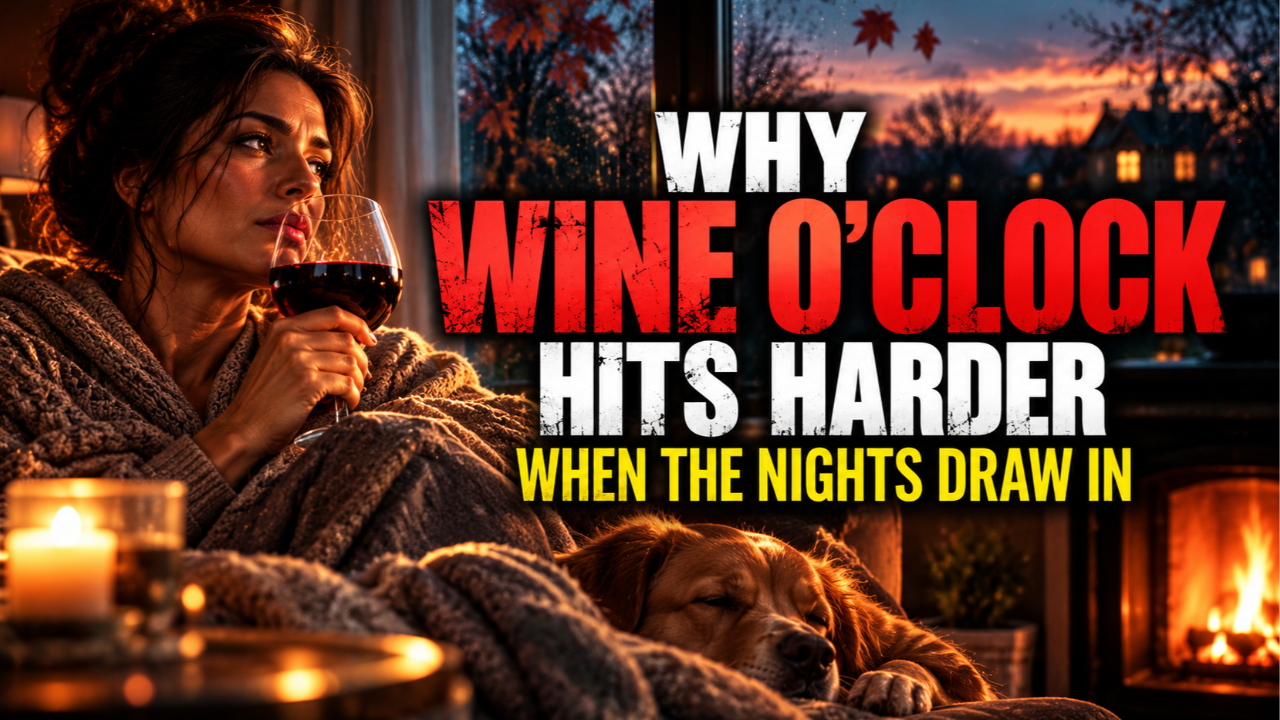
Why Wine O'Clock Hits Harder When the Nights Draw In
The clocks go back at the end of October, and something sneaky happens to your evenings. The light fades before you've left work, the kettle feels less tempting, and a quiet voice starts asking about the bottle in the fridge. If that voice seems louder right now, you're not imagining it. Darker nights shrink the day, push you indoors earlier, and hand the old wine o'clock ritual a bigger stage to perform on.
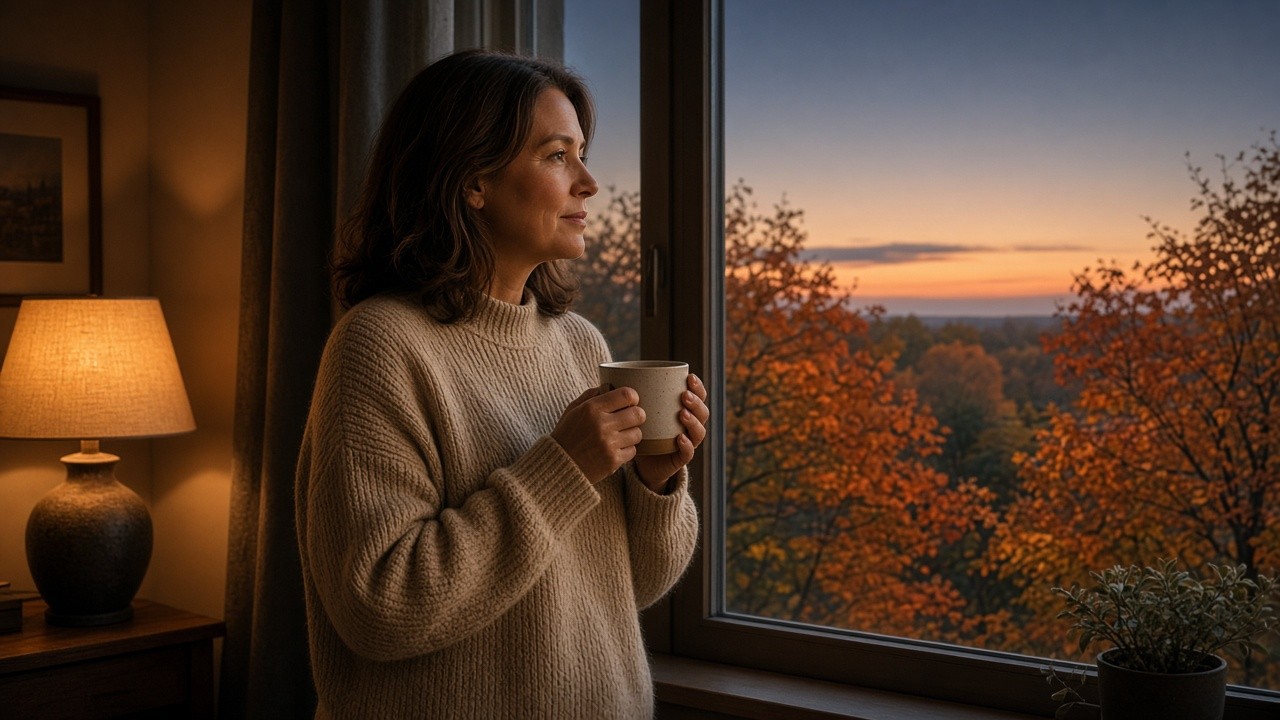
Here's the good news. That craving isn't proof you need alcohol. It's proof you've trained your brain extremely well. Every time you poured a glass at the same hour, in the same chair, after the same stressful commute, you taught your mind a simple rule. When this happens, that comes next. An urge arriving bang on schedule is a habit doing its job, and anything learned can be unlearned with the right approach.
Your Brain Runs on Cues, Not Cravings
Psychologists call this cue reactivity. Your brain links places, times and feelings to the reward it expects, and it starts preparing for that reward before a drop touches your lips. Research shows that regular drinkers have measurable reactions, such as stronger cravings and physical arousal, when they see or smell their usual tipple. The sunset itself has become a trigger, and your kitchen has turned into a stage set for the same old play.
Darker evenings add fuel to the fire. Less daylight often means lower mood, less movement and more hours slumped on the sofa. That's perfect for the old routine to slip back in. Your mind spots that you're tired and flat, and it serves up the solution it remembers best. The trouble is that alcohol never fixes the flatness. It borrows energy from tomorrow, steals your sleep tonight, and leaves you to pick up the bill.
Habits also love autopilot. One well known study found that roughly 43 percent of everyday actions happen almost daily in the same setting, often while people are thinking about something else entirely. That's why you can find yourself opening a bottle before you've made any real decision. You aren't weak. You're running a well worn script. Spotting that script is the first step, because you can't change a pattern you can't see clearly.
How to Rewrite Your Evening Script
The smartest move isn't to white knuckle your way through every evening. Willpower is a muscle that tires by teatime. Instead, change the cues that start the chain. Move your evening routine to a different room. Swap the usual glass for a chunky mug of something warm. Take a brisk walk at the exact hour the craving normally knocks. Small switches like these break the link between the clock and the cork.
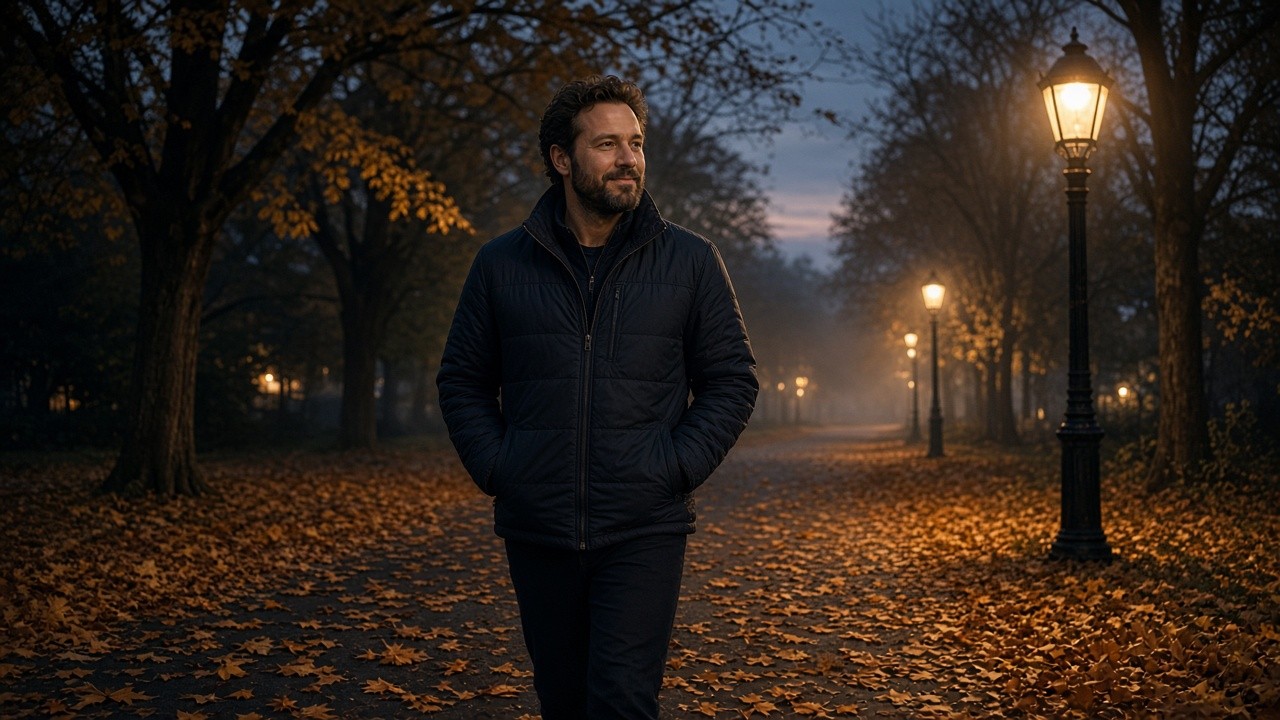
When an urge does arrive, try riding it like a wave rather than wrestling it. Notice where you feel it in your body, breathe slowly, and remind yourself it will peak and pass, usually sooner than you fear. Researchers call this urge surfing, and studies in addiction science suggest it helps people use less. Each time you let a craving rise and fall without obeying it, the habit loses more of its grip.
It also helps to plan something your future self will thank you for. Book an evening class, save a gripping box set for weeknights only, or cook a proper meal from scratch. Give the long nights a fresh purpose instead of an empty space. If you enjoy deeper reflection, personal development work can transform how you see these quieter months, and you'll find plenty of inspiration over at CraigBeck.com to get you started.
Make This Autumn the Season You Break Free
The real secret, though, is changing how you think about alcohol itself. As long as part of you believes a drink is a treat you're being denied, every dark evening will feel like a punishment. Once you see alcohol clearly, as an addictive drug that quietly steals your sleep, your mood and your money, the craving loses its sparkle. There's nothing left to miss, and your autumn evenings start to feel like yours again.
If you're ready to make this autumn different, start tonight with something free. Join the free quit drinking webinar and grab your free ebook from Stop Drinking Expert. You'll discover the method that has helped thousands of people stop drinking without relying on willpower, shame or rehab. The nights may be drawing in, but your future is getting brighter. Take that first step today and enjoy the view.
References
- Carter, B. L. and Tiffany, S. T. (1999). Meta analysis of cue reactivity in addiction research. Addiction, 94(3), 327 to 340. Read the study
- Wood, W., Quinn, J. M. and Kashy, D. A. (2002). Habits in everyday life: Thought, emotion, and action. Journal of Personality and Social Psychology, 83(6), 1281 to 1297. Read the study
- Bowen, S. and Marlatt, A. (2009). Surfing the urge: Brief mindfulness based intervention for college student smokers. Psychology of Addictive Behaviors, 23(4), 666 to 671. Read the study
⚠️ Medical Disclaimer: This article is for educational purposes only and not a substitute for professional medical advice. Alcohol withdrawal can be dangerous. If you have been drinking heavily, consult a healthcare provider before stopping. If you're experiencing a medical emergency, call emergency services immediately.
Written By