How We Use Psychology To Stop Our Kids Falling In Love With Alcohol
Oct 02, 2026
How We Use Psychology To Stop Our Kids Falling In Love With Alcohol
You watch your children soak up more than you plan to teach them each day. They notice the jokes that land and the rituals that close a hard evening. Alcohol often sits inside those rituals like a quiet teacher at the table. When a glass becomes the prize after stress your child stores a story about relief. That story can bloom into affection for drinking long before the first taste arrives at a party.
Psychology names this modelling and the idea is simple enough to feel uncomfortable at first. Kids attach safety and celebration to whatever they see repeated at home over months. If wine appears when tension rises they encode that pairing deep in memory. Later the pairing wakes on its own without a speech. That is how a crush on alcohol can grow while everyone believes they are being careful parents.
Plenty of good parents still hand over the cue without meaning any harm at all. Moderate drinking can look civilised yet it still broadcasts a shortcut for feeling better fast. The issue is not a moral scorecard you must carry forever. It is a learning loop running in the background of family life. Break that loop and you protect curiosity from turning into craving before it takes hold.
A weekend lecture rarely outruns a daily demonstration that kids already trust. Words help when they match what children observe with their own eyes. Your nervous system tracks patterns and theirs does too through ordinary evenings. Swap the bottle for calmer exits and the old script loses oxygen quickly. Small changes compound into a new normal. That is psychology earning its keep at the kitchen table.
What children learn from the glass in your hand
Studies of parent and adolescent pairs keep pointing in the same clear direction. When parents drink frequently or binge drink their teens show higher odds of drinking as well. That finding is not a curse stamped on your family name. It is evidence that attention transmits behaviour across generations in daily life. Change what fills the spotlight at home and you change what gets practised later by your kids.
Permission sends another loud signal that many households miss until trouble starts. When parents allow early sips under their roof later heavy use becomes more likely according to long cohort work. A friendly toast can read as a green light to young eyes. Your child hears that alcohol belongs inside belonging and fun. Remove that early permission and you give them room to choose a different kind of belonging.
Clear rules still matter yet those rules need believable backup from what kids see. Warm talk paired with firm boundaries lowers risk across the teenage years. Watching you unwind without alcohol makes those boundaries ring true every time. Kids spot a double standard faster than you can invent a soft excuse. Consistency turns parenting advice into lived proof and that proof sticks harder than any slogan on a poster.
Practical moves that rewrite the home script
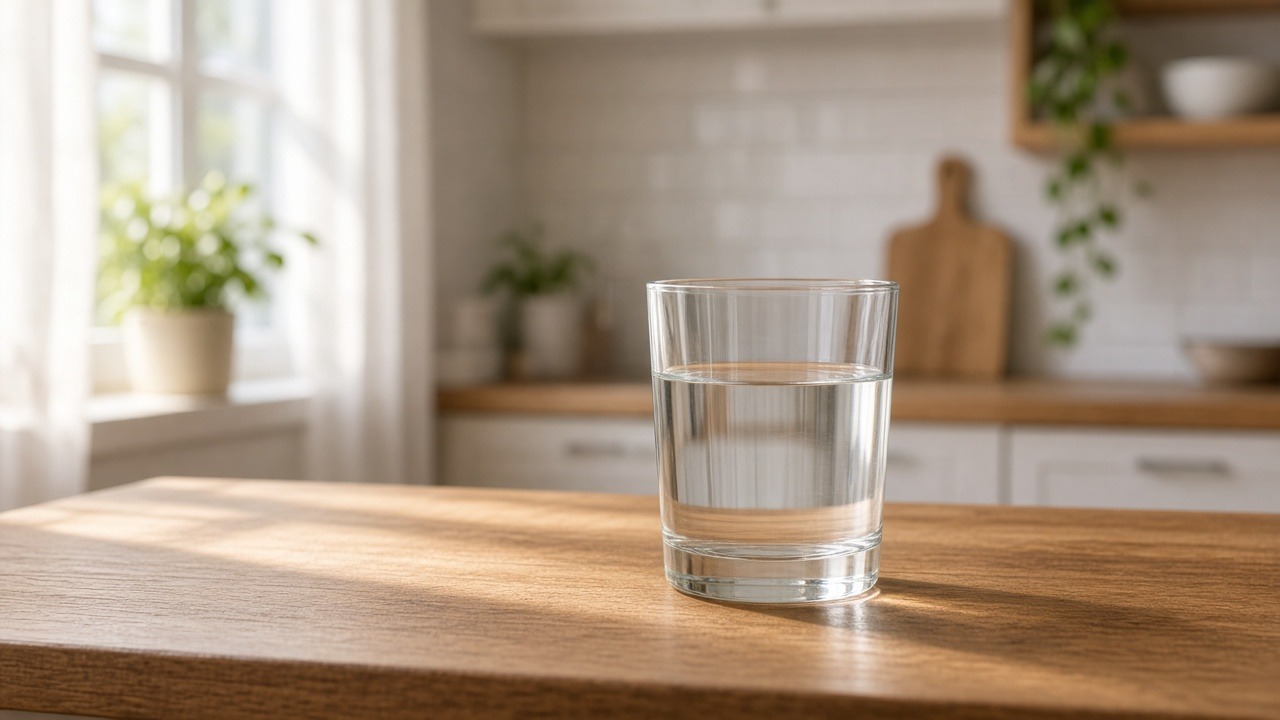
Begin by mapping your own triggers with honest eyes and a notebook nearby. Does the pour follow homework battles that drain your patience thin? Does Friday night demand a reward in liquid form before you can relax? Replace the slot with an adult ritual that still feels like a real treat. A brisk walk works wonders. So does sparkling water in a proper glass after dinner.
Talk about alcohol the way you talk about fire around a curious child. Share useful facts and real risks without turning the chat into loud theatre. Explain how marketing sells confidence in a bottle and how the brain buys the pitch. Keep the tone curiouus and open so questions feel welcome. When kids feel lectured they close ranks fast. When they feel respected they keep the conversation alive for years.
Guard sleep and stress outlets for the whole household as if they were treasure. Tired minds hunt shortcuts and alcohol markets itself as the fastest one available. Teach better exits while your children are young and still listening closely. Sport helps. Friendship helps. Humor that does not need a buzz helps even more. These drills look ordinary yet they inoculate against the glitter of the drink later.

If alcohol has already tangled your evenings you still hold real leverage at home tonight. Getting free shows them change is possible in living colour not dry theory. While you rebuild the home climate you may also want deeper personal development tools beyond sobriety coaching alone. Those tools sit at https://www.CraigBeck.com for parents ready to grow on every front with clear guidance.
Turn insight into a free next step today
You do not need a perfect past to offer your kids a cleaner path forward from here. You need a clear method and a willingness to act while the window is open. If drinking still runs your night script help exists without shame or scare tactics piled on. The Stop Drinking Expert free webinar and ebook explain the psychology of quitting in plain friendly language. You can use both tonight.
Head to https://www.stopdrinkingexpert.com/ and claim the free quit drinking webinar plus the ebook download in minutes. Steady yourself first and watch how the house mood shifts within days. Children notice calm returning like weather after a storm. That calm spreads in the best way through bedtime and weekends. It beats any speech you could rehearse alone in the car after school pickup.
Keeping your child from falling for alcohol starts with the story you live each evening at home. Change the story and the attraction loses its shine before peer pressure peaks hard. That is how psychology leaves the lecture hall and lands where it counts most. Right at home with you leading by quiet example. Better habits take root when they see you choose them first.
References
- Bohm MK et al. Associations between parental drinking and alcohol use among their adolescent children. PMC10592189.
- Staff J, Maggs JL. Parents Allowing Drinking is Associated with Adolescents Heavy Alcohol Use. PMC6980970.
- Handley ED, Chassin L. Alcohol Specific Parenting as a Mechanism of Parental Drinking and Alcohol Use Disorder Risk. PMC3749311.
- Parental alcohol use effects on young adult alcohol use disorder. Avon Longitudinal Study. PMC10257746.
- Parental drinking as context for parental socialization of adolescent alcohol use. PMC6289894.
⚠️ Medical Disclaimer: This article is for educational purposes only and not a substitute for professional medical advice. Alcohol withdrawal can be dangerous. If you have been drinking heavily, consult a healthcare provider before stopping. If you're experiencing a medical emergency, call emergency services immediately.
Written By